Song Meaning
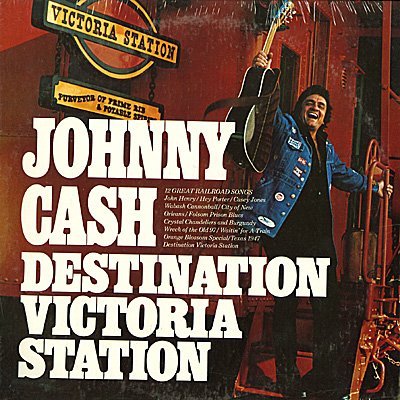
Johnny Cash's rendition of "Wreck of the Old 97" is more than just a historical retelling; it's a stark meditation on hubris, mortality, and the unforgiving nature of progress. The song, a classic railroad ballad, paints a vivid picture of Steve, the engineer driven by ambition (or perhaps coercion) to push his locomotive, Old 97, beyond its limits. The opening verses establish the pressure he's under – 'You must put her in Spencer on time' – setting the stage for a tragedy born of relentless demands. This pressure, this need to conquer time and distance, becomes a fatal flaw. Steve's bravado, evident in his command to 'shovel on a little more coal,' foreshadows the impending disaster, a consequence of prioritizing speed over safety. The telegram's stark message – 'lying down in Danville dead' – delivers the cold reality of his ambition.
Beyond the immediate narrative, "Wreck of the Old 97" touches on deeper anxieties surrounding the industrial revolution. The steam engine, a symbol of progress and human ingenuity, transforms into an instrument of destruction. The graphic imagery of Steve 'scalded to death by the steam' serves as a visceral reminder of the human cost often hidden beneath the veneer of technological advancement. The song subtly critiques the relentless pursuit of efficiency and the disregard for human life that can accompany it. The train, once a symbol of hope and connectivity, becomes a tomb, a monument to a system that values speed over the well-being of its workers.
Finally, the concluding verse shifts the focus to a broader moral lesson, directed at the 'pretty ladies.' This seemingly abrupt change actually reinforces the song's underlying themes of loss and regret. It warns against taking loved ones for granted, highlighting the fragility of human relationships in the face of life's uncertainties. In essence, "Wreck of the Old 97" is a cautionary tale, reminding us that ambition unchecked, progress pursued without conscience, and love neglected can all lead to devastating consequences. Cash's somber delivery amplifies the song's inherent sorrow, transforming a historical event into a timeless reflection on the human condition.
 View Artist