Song Meaning
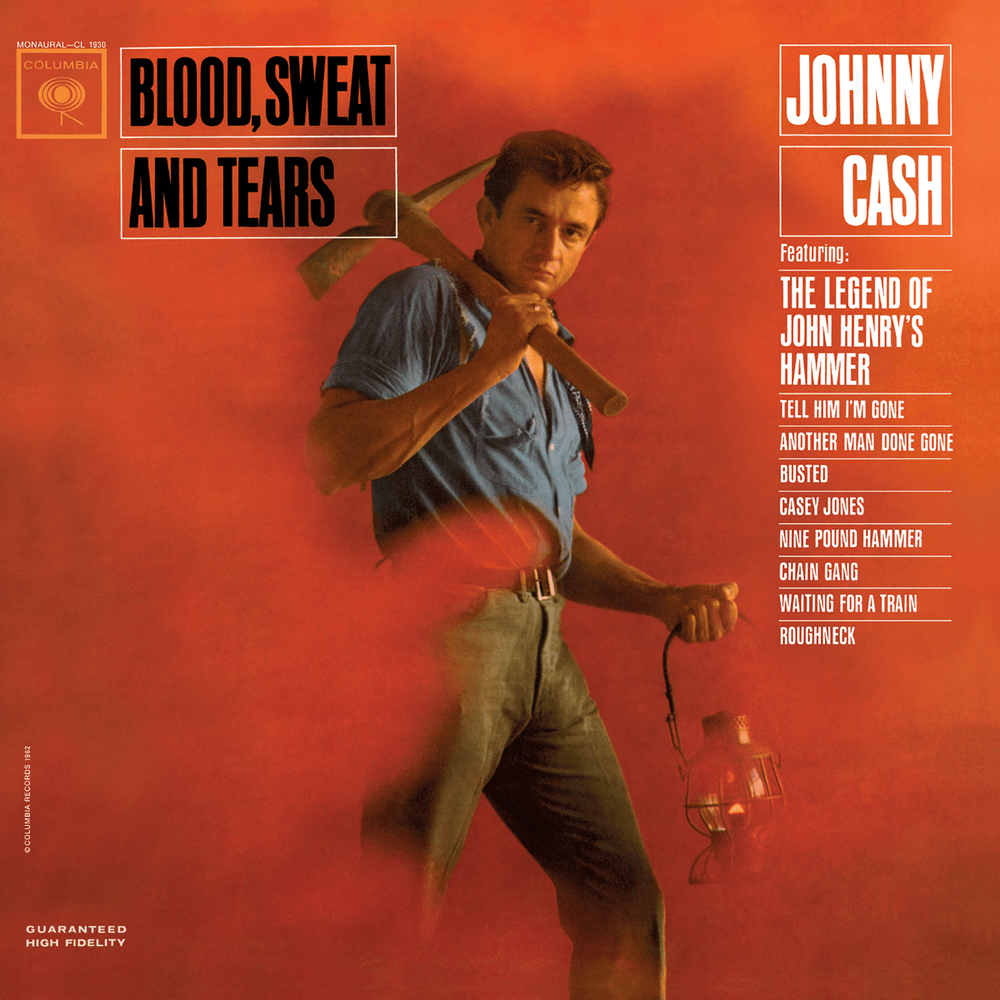
Johnny Cash's rendition of "Waiting for a Train" is a stark portrait of desperation and resilience painted against the backdrop of the American railway system. The song encapsulates the plight of the wandering soul, a figure common in early 20th-century folk music, stripped of resources but clinging to a sense of place and direction. The initial verses establish a scene of abject poverty, a man stranded far from home with nothing to offer but conversation. The brakeman's curt rejection underscores the brutal realities of economic hardship, where human connection is secondary to financial solvency. This encounter isn't just about missing a ride; it's about being denied basic human dignity. Cash’s delivery amplifies the weary resignation in the lyrics, transforming a simple story into a powerful commentary on social inequality.
Banished to Texas, a state ironically described with affection, the narrator finds himself surrounded by vastness that mirrors his own isolation. The imagery of open spaces, moon, and stars offers a momentary glimpse of beauty, yet it's quickly overshadowed by the stark realization that no one is willing to offer assistance. The journey from Frisco to Dixie Land isn't just a geographical movement; it symbolizes a yearning for a place of belonging, a nostalgic pull towards a home that may or may not offer solace. The repetition of being a thousand miles from home emphasizes the emotional distance, a feeling of displacement that transcends mere physical location. The empty pocketbook and the heart full of pain are not just material and emotional states, but representations of a deeper existential crisis.
Ultimately, "Waiting for a Train", interpreted by Johnny Cash, transforms from a simple tale of a penniless wanderer into an exploration of the human condition. It's a reflection on the universal longing for acceptance, the sting of rejection, and the enduring hope for a better future, even when the present is bleak. The song’s genius lies in its ability to evoke empathy, forcing the listener to confront the uncomfortable realities of poverty and the psychological impact of being perpetually on the margins. The train itself becomes a metaphor for opportunity and escape, forever just out of reach.
 View Artist