Song Meaning
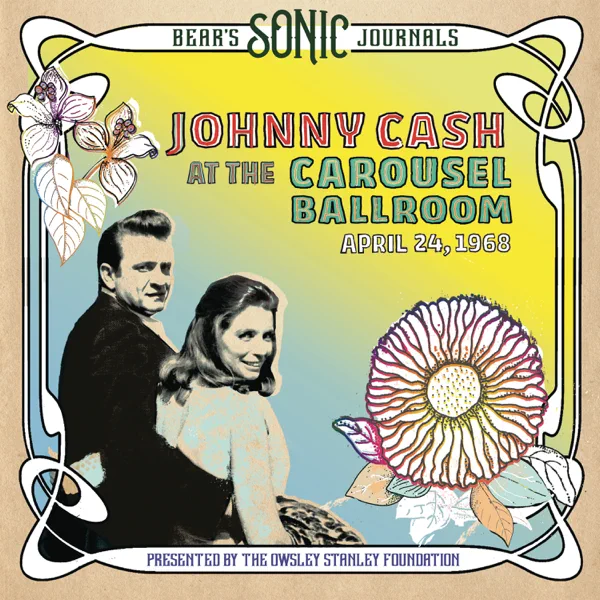
{"song_id": 11777874, "meaning": "Johnny Cash's rendition of \"Wabash Cannonball,\" particularly this live version recorded in 1968, isn't just a train song; it's a conjuring. It's less about the literal journey from Birmingham and more about the mythos of the rails, the romance of transient life, and the almost supernatural power attributed to this legendary train. The lyrics paint the Wabash Cannonball not merely as a mode of transportation, but as a character in itself, a 'she' from Tennessee, both 'long' and 'tall,' imbued with a personality that transcends steel and steam. Cash, with his signature gravitas, amplifies this personification, turning the song into an ode to American folklore. The song meaning dives deep into the collective imagination surrounding trains in American history.
The chorus elevates the train to almost mythical status. The 'jingle, rumble, and roar' are the sounds of legend, not just locomotion. The train 'glides along the woodland o'er the hills and by the shore,' suggesting a freedom and boundlessness that resonates with the hoboes mentioned later. Those 'lonesome hoboes' aren't just passengers; they're part of the train's story, their calls woven into its identity. The 'jungle' they travel through isn't literal; it's the wild, untamed landscape of America, both physical and metaphorical, that the Wabash Cannonball navigates. It represents the raw, often unforgiving, yet undeniably alluring heart of the nation.
Ultimately, Cash's performance underscores the song's deeper appeal: the yearning for escape, the allure of the open road (or, in this case, the open rail), and the powerful sense of community forged among those who exist on the margins. The Wabash Cannonball becomes a symbol of hope and freedom for those 'traveling through the jungle,' a reminder that even in the midst of hardship, there's a shared journey and a collective spirit to be found. The lyrics analysis suggests a celebration of the underdog, the wanderer, and the enduring power of the American dream, even in its most unconventional forms."}
 View Artist