Song Meaning
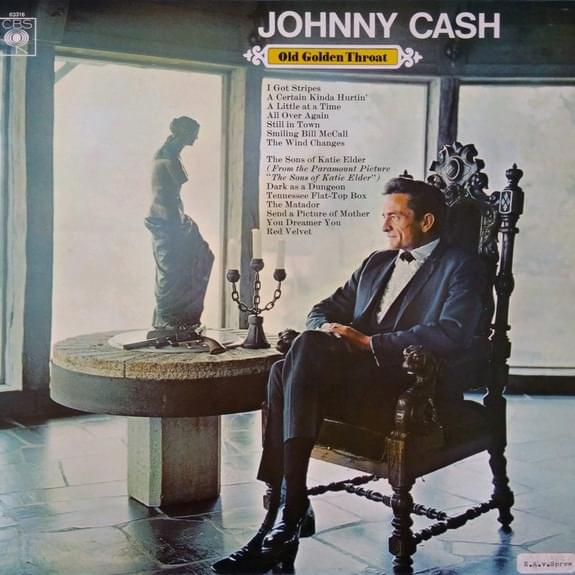
Johnny Cash's gravelly voice lends instant gravitas to "The Sons of Katie Elder," a song steeped in familial legacy and the burden of reputation. It's a Western ballad, yes, but more precisely, a study in the psychological weight of motherhood and the inescapable pull of inherited traits. The lyrics paint a picture of four brothers, bound by blood and a shared lineage defined by their mother, Katie Elder. They are men "on the run," suggesting a life lived outside the bounds of societal norms, perhaps even morality. The repeated refrain, a promise made "on your grave," hints at a desire for redemption, a yearning to escape the cycle of violence and outlawry that has defined their lives. This isn't just about physical escape; it's a plea for psychological liberation.
The song's core tension lies in the conflict between honoring their mother's memory and breaking free from the mold she inadvertently cast. The wind, a recurring motif, symbolizes both freedom and the relentless forces of fate. It "blows like the devil," pushing the brothers onward, yet also reminding them of the consequences of their actions. The line "mothers teach your sons to not live by a gun / And to not live like the sons of Katie Elder" is a direct acknowledgement of this conflict. It's a recognition that their mother, while undoubtedly a figure of love and respect, has also contributed to their troubled path. The acknowledgement that "a man is just a man" reveals a vulnerability, suggesting that the brothers are not inherently bad, but rather products of their environment and upbringing.
Ultimately, "The Sons of Katie Elder" is a somber reflection on the complexities of family, the weight of expectations, and the struggle to define one's own identity in the face of a powerful maternal influence. The vow to "make it right" and end "hiding in the night" signals a desire for change, a yearning to escape the shadow of Katie Elder and forge a new, more virtuous path. Whether they can succeed remains an open question, adding a layer of poignant ambiguity to this classic Johnny Cash narrative.
 View Artist