Song Meaning
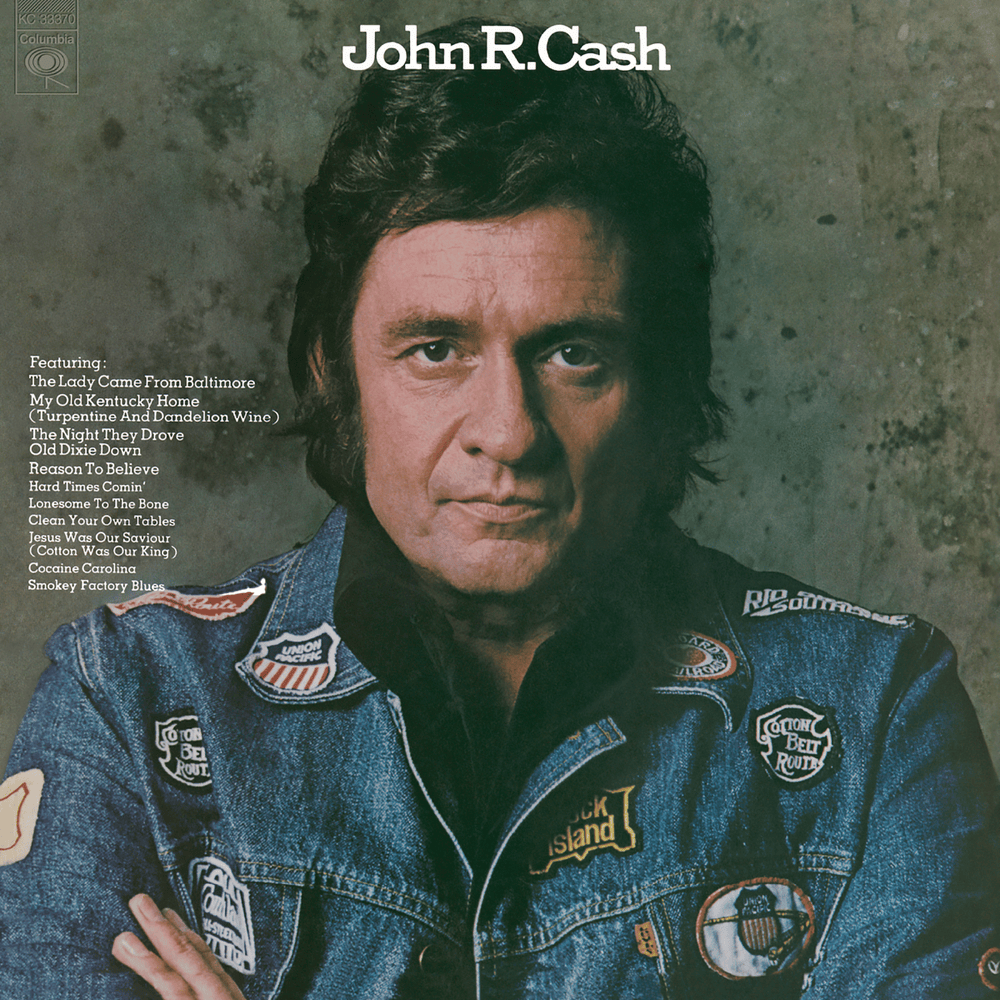
Johnny Cash's "The Lady Came From Baltimore" isn't just a country ballad; it's a concise morality play wrapped in a deceptively simple narrative. At its core, the song explores the transformative power of love and the inherent conflict between societal expectations and genuine human connection. The lyrics sketch a classic tale of redemption, where a would-be thief encounters an unexpected catalyst for change. The initial intent is purely transactional: exploiting Susan Moore's wealth. But the lady's inherent goodness, symbolized by her lace attire and naivete regarding the narrator's poverty, disrupts his plan and awakens something deeper within him. Cash, with his signature gravitas, delivers a potent reflection on the human capacity for change, even in the darkest of circumstances.
The song's emotional weight rests on the contrast between the narrator's initial intentions and his ultimate choice. He readily admits his plan to "steal her money, to take her rings and run," a confession that highlights his moral ambiguity. However, Susan's unwavering belief in him, despite her father's warnings and the societal barriers between them, becomes a turning point. The line, "I was Susan's true belief, and I married her for love," marks a pivotal shift from greed to genuine affection. This transformation isn't portrayed as a sudden epiphany but rather a gradual realization of the lady's intrinsic worth and the hollowness of his previous life.
Ultimately, the song meaning of "The Lady Came From Baltimore" transcends a simple love story. It's a meditation on the potential for grace and redemption within even the most hardened hearts. The thief's failure to "get away with none" is, paradoxically, his greatest triumph. He loses the material gain he initially sought but gains something far more valuable: love, acceptance, and a chance at a new life. Cash delivers a stark reminder that genuine connection can override societal expectations and transform our deepest motivations. The narrative offers a glimpse into the complexities of human nature, suggesting that even those driven by self-interest are capable of profound change when confronted with the power of love and unwavering belief.
 View Artist