Song Meaning
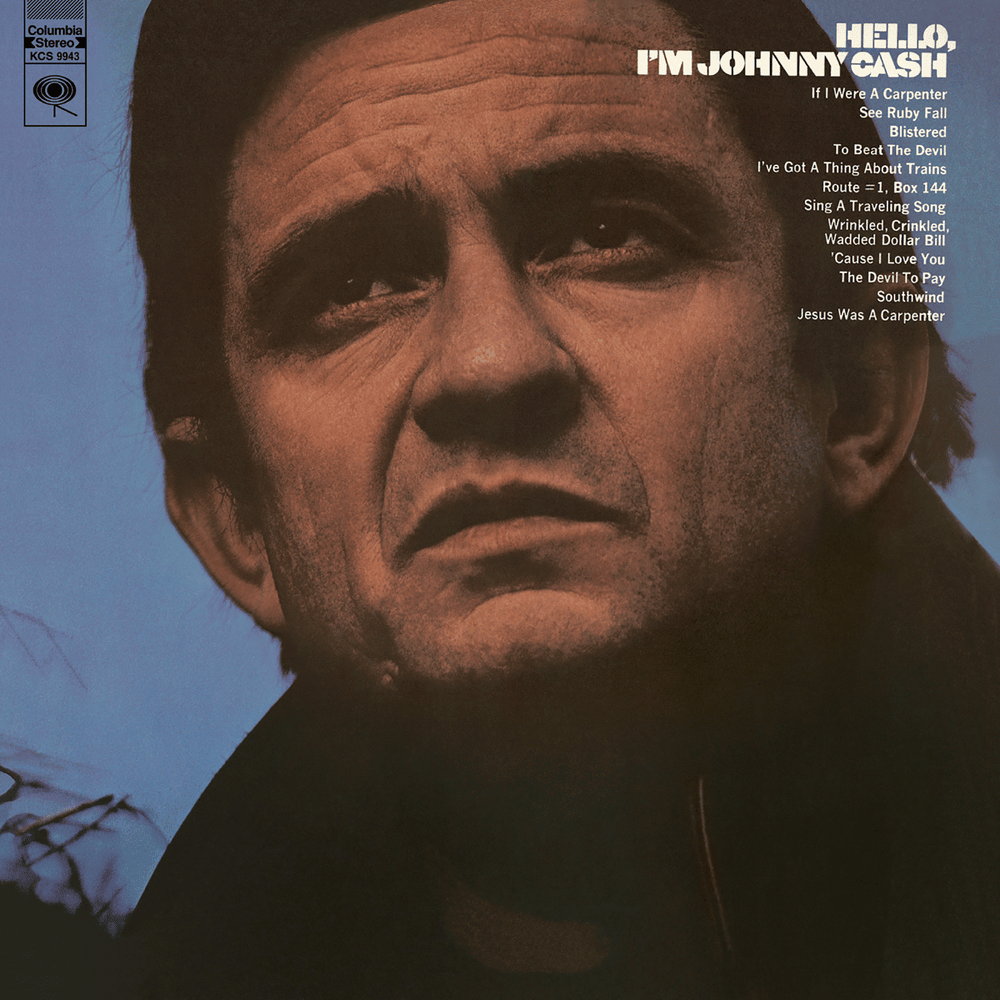
Johnny Cash's "Gentle and Lowly" isn't just a country lament; it's a masterclass in minimalist storytelling, painting a vivid picture of abandonment and longing with remarkable economy. The Southwind, a train line, functions as both literal transportation and a potent symbol of transience, a relentless force carrying away the object of the singer's affection. The repetition of "Southwind" throughout the song underscores its inescapable presence in the narrator's life, a constant reminder of his loss. It's a wind that whips through his soul, leaving him exposed and vulnerable.
The song's brilliance lies in its understated emotional depth. The narrator's poverty is subtly conveyed through his longing for a "forty-dollar ticket," a sum seemingly unattainable that highlights his powerlessness. This financial constraint mirrors his emotional predicament; he's unable to pursue the woman he loves, trapped by circumstance. The desire to "buy myself a smile to carry on" is particularly poignant, revealing a fragile hope struggling against the weight of despair. It speaks to the human need to mask pain, to project an image of resilience even when crumbling inside.
Ultimately, "Gentle and Lowly" transcends the typical heartbreak narrative. It delves into the psychology of longing, exploring the complex interplay of love, loss, and economic hardship. The final verse introduces a hint of defiant hope, a belief that the Southwind might eventually return his love. This isn't blind optimism, but rather a desperate clinging to possibility in the face of overwhelming odds. The train's whistle, the "whoooo-wooo-hoo," becomes the sound of both departure and potential reunion, a haunting reminder of what was lost and what might, against all probability, be regained.
 View Artist