Song Meaning
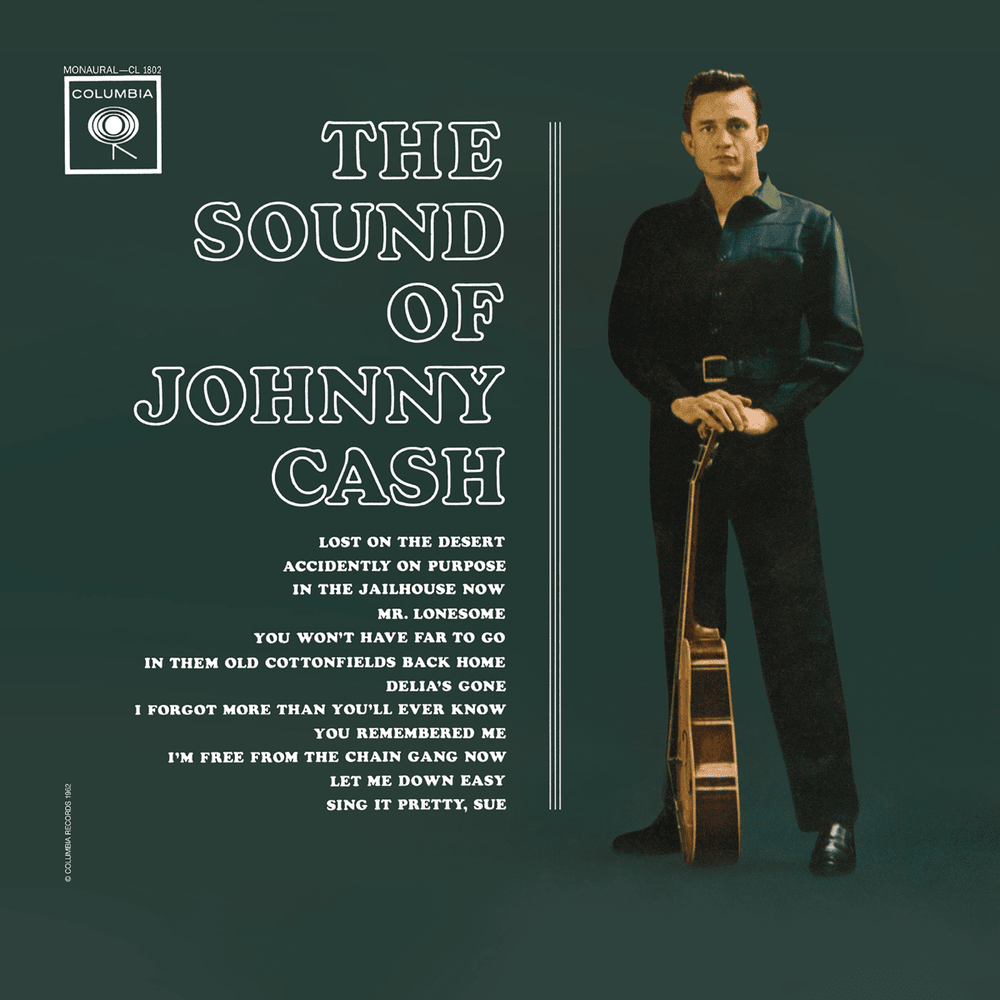
{"song_id": 11772284, "meaning": "Johnny Cash's \"Sing It Pretty, Sue\" is a masterclass in bittersweet resignation, a lyrical study of lost love sacrificed at the altar of ambition. It’s a raw, almost voyeuristic glimpse into the heart of a man watching his lover ascend to stardom, knowing full well that her ascent means their descent as a couple. The narrator isn't seething with jealousy or betrayal; instead, he offers a melancholic acceptance, acknowledging the allure of Sue's \"glamorous career\" and the inevitability of her leaving him behind. He understands the all-consuming nature of fame, that she must become \"public property,\" and he releases his claim with a poignant mix of love and self-preservation.
The song's power lies in its understated emotional complexity. The repeated refrain, \"Sing it pretty Sue,\" initially sounds like encouragement, but it slowly reveals itself as a quiet plea, a desperate attempt to maintain some connection as she slips away. He promises to watch her on television, collect her pictures, and buy her records, reducing himself to just another face in the crowd, a nameless fan among millions. This act of self-effacement is both heartbreaking and strangely noble. He's willing to erase their shared history, to become invisible in her new world, simply to witness her success, even if it means his own personal erasure.
Ultimately, \"Sing It Pretty, Sue\" explores the inherent tension between personal connection and public persona. It's a stark reminder that ambition often demands sacrifice, and that love, in its purest form, sometimes means letting go. The narrator's final promise to send a yearly card, just to let her know he's still listening, is a lingering testament to a love that transcends physical presence, a quiet echo in the deafening roar of her rising fame. It's a chilling portrayal of how dreams can both elevate and isolate, leaving behind a trail of personal casualties in their wake. The song is less about the glamour of stardom and more about the quiet devastation it can leave on the hearts of those left behind."}
 View Artist