Song Meaning
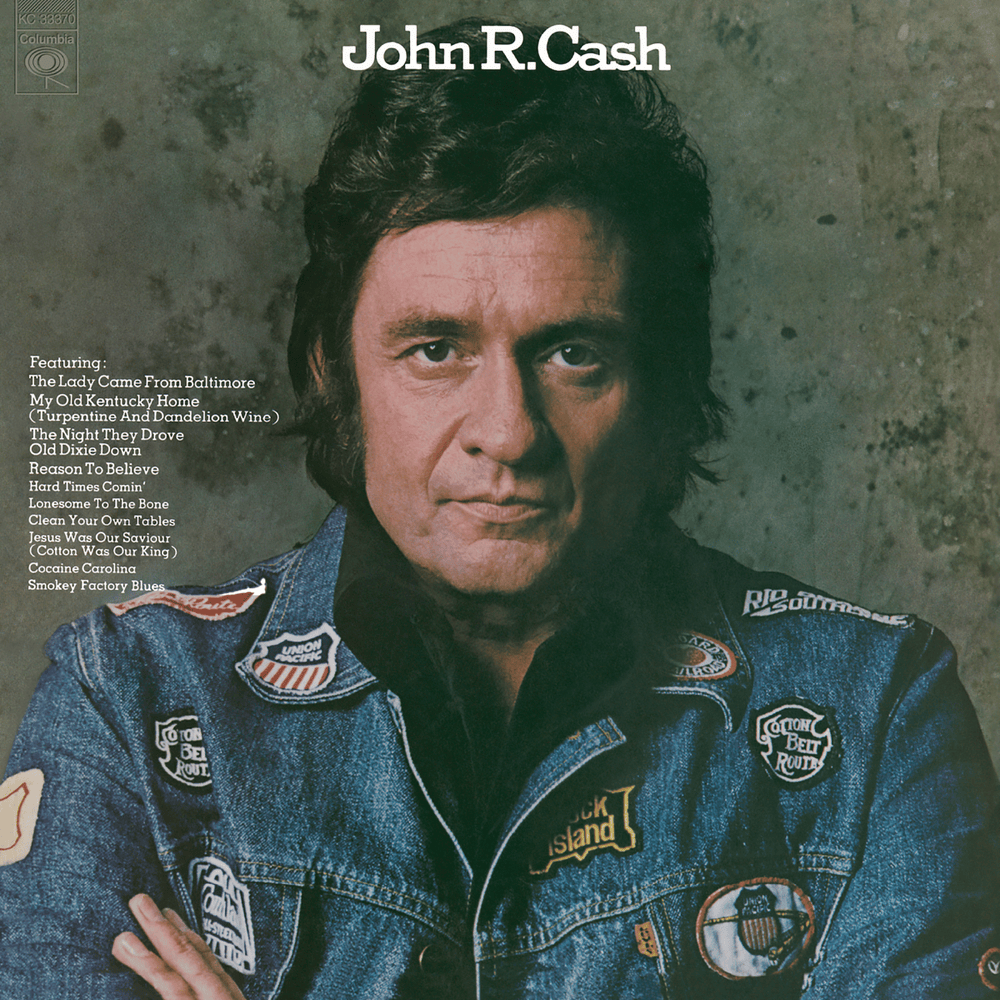
{"song_id": 11772196, "meaning": "Johnny Cash's rendition of \"Reason to Believe\" is not merely a song; it's a stark psychological portrait of denial and the desperate human need for connection. The lyrics paint a picture of someone trapped in a relationship built on falsehoods, yet clinging desperately to any semblance of hope. The opening lines, \"If I listened long enough to you, I'd find a way to believe that it's all true,\" immediately establish this tension – a conscious awareness of deception battling against a profound desire to trust. It's a testament to the self-deception we're capable of when faced with the alternative of loneliness. The raw honesty in his voice underscores the vulnerability inherent in choosing belief over disillusionment. The repetition of \"Knowing that you lied straight-faced while I cried, still I look to find a reason to believe\" is not just a lyrical device; it's the mantra of someone in deep, almost pathological denial.
The chorus further explores this codependent dynamic. \"Someone like you makes it hard to live without somebody else\" speaks volumes about the twisted logic of the relationship. It's not necessarily love that binds them, but a warped sense of necessity. The line \"Someone like you makes it easy to give, never think about myself\" is particularly telling, hinting at a possible history of self-sacrifice and a warped sense of worth tied to the other person's validation. The narrator is giving everything, even in the face of deceit, suggesting a deep-seated need to be needed, or perhaps a fear of being alone. This echoes a pattern of behavior where personal well-being is sacrificed for the sake of maintaining the relationship, however damaging it may be.
Ultimately, \"Reason to Believe\" is a powerful exploration of the human capacity for self-deception in matters of the heart. It's a song about the lengths we go to avoid facing painful truths, about the fragile hope that persists even in the face of overwhelming evidence to the contrary. The song meaning resonates because it taps into a universal vulnerability: the fear of being alone and the lengths to which we'll go to avoid that fate, even if it means embracing a lie. Cash's interpretation amplifies the song's inherent sadness, transforming it into a haunting meditation on the complexities of human relationships."}
 View Artist