Song Meaning
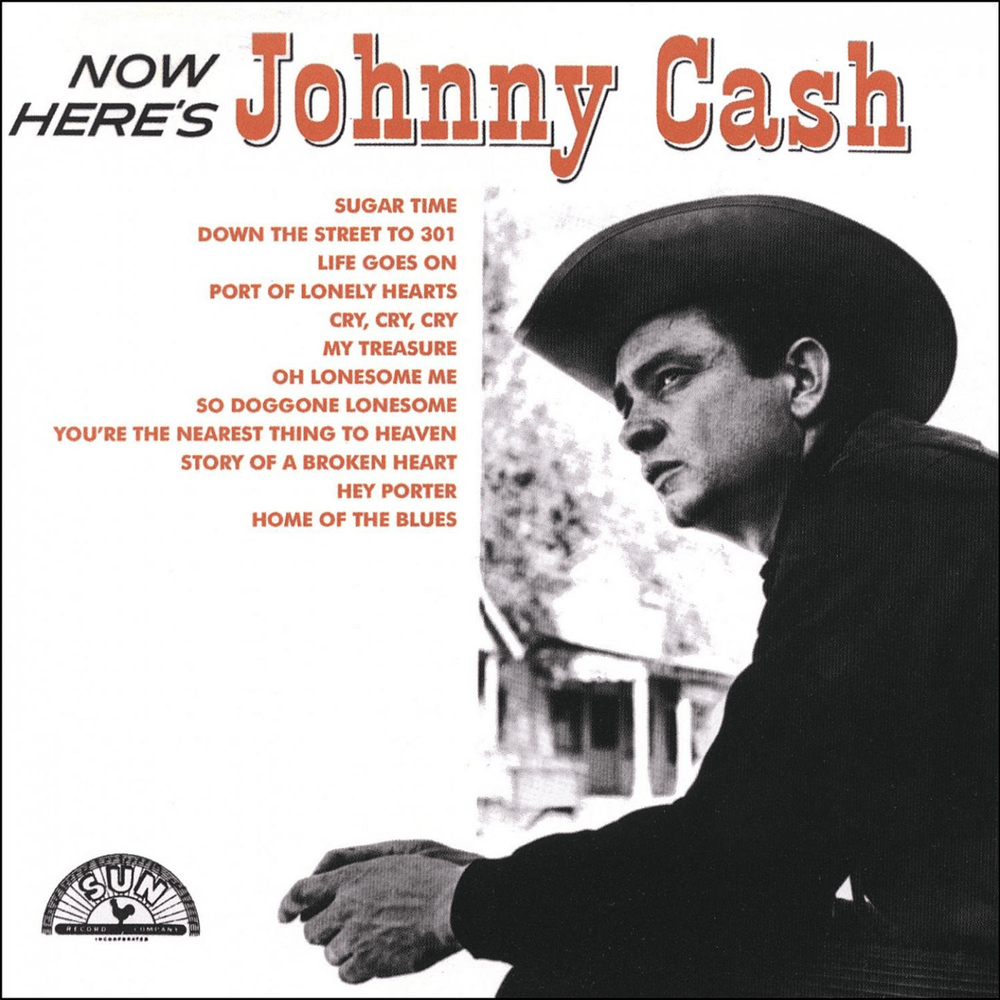
Johnny Cash’s “Port of Lonely Hearts” isn’t just a country ballad; it’s a masterclass in melancholic longing, distilled through the nautical metaphor of waiting for a love that may never arrive. The song paints a vivid picture of a soul stranded in a desolate harbor, watching ships come and go, each empty vessel a cruel reminder of unfulfilled desire. Cash’s weathered voice, the perfect instrument for such a narrative, imbues the lyrics with a sense of weary hope, a fragile resilience against the crushing weight of solitude.
The recurring image of the "port of lonely hearts" isn't merely a geographical location; it's a psychological state. It's the space where hope and despair collide, where the promise of connection battles the reality of isolation. The "ship of love" becomes a symbol of salvation, a potential escape from this emotional purgatory. But the waiting is the torment. Each passing ship that fails to deliver the longed-for lover deepens the ache, amplifying the vulnerability at the song's core. The storm braved in solitude speaks to the inner turmoil, the emotional turbulence that the singer endures while clinging to the belief that true love will conquer all.
Ultimately, “Port of Lonely Hearts” resonates because it taps into a universal human experience: the agonizing wait for love, the desperate hope that someone will arrive to rescue us from our self-imposed exile. The nautical imagery, while seemingly simple, effectively conveys the vastness of the emotional sea the singer navigates. It is a quiet, profound meditation on loneliness, hope, and the enduring power of the human heart to yearn for connection, even in the face of profound uncertainty. The song’s meaning lies not just in the words, but in the spaces between them, the unspoken anxieties and fragile dreams that define the human condition.
 View Artist