Song Meaning
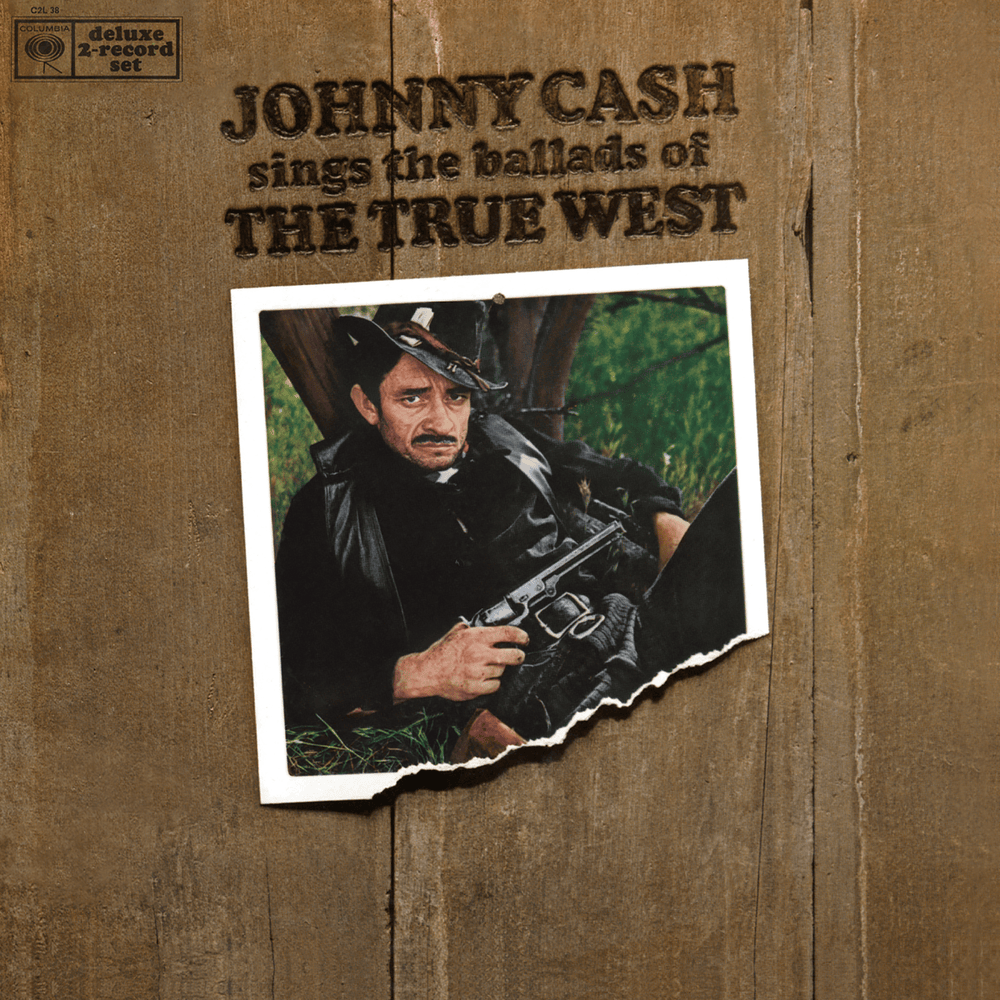
Johnny Cash's "Narration #4" isn't a song in the traditional sense, but a stark, spoken-word vignette offering a glimpse into the psychological aftermath of the American Civil War. Eschewing melody, Cash delivers a brief, brutal truth: Horace Greeley's famous encouragement to "Go West, young man" became a desperate, often violent, exodus for those traumatized by the conflict. The pistol, not the plow, becomes the symbol of this new frontier. It's less about opportunity and more about flight from unspeakable memories. This isn't the romanticized West of cowboys and gold rushes, but a landscape populated by men carrying the war within them. The promise of a fresh start is immediately undercut by the implied continuation of violence; the horrors of war simply morphed into the horrors of a different kind of struggle.
The psychological weight is palpable. Cash doesn't dwell on the battles themselves, but on the internal battlefields carried by veterans, both Union and Confederate (Johnny Reb). The West becomes a pressure-release valve, a place to escape the ghosts of the past, but also a place where those ghosts are likely to resurface in new, equally brutal forms. The narration cleverly sets up a dichotomy between escaping the 'horrors of war' only to find 'horrors were even worse in the West'. This paints a portrait of cyclical trauma, of men unable to outrun the violence that has become a part of their very being. The cocked pistol becomes a metaphor for the ever-present threat, the ingrained aggression that defines their post-war existence.
Ultimately, the song's meaning lies in its exploration of trauma and the illusion of escape. "Narration #4" strips away the heroic veneer often associated with the Western expansion, revealing the raw, psychological underbelly. It's a commentary on the enduring scars of conflict, suggesting that geographical relocation offers no true sanctuary from the wounds of the past. The succinctness of the narration only amplifies its impact, leaving the listener to contemplate the bleak reality of men forever haunted by the specter of war, carrying their trauma westward, perpetuating a cycle of violence in the American landscape.
 View Artist