Song Meaning
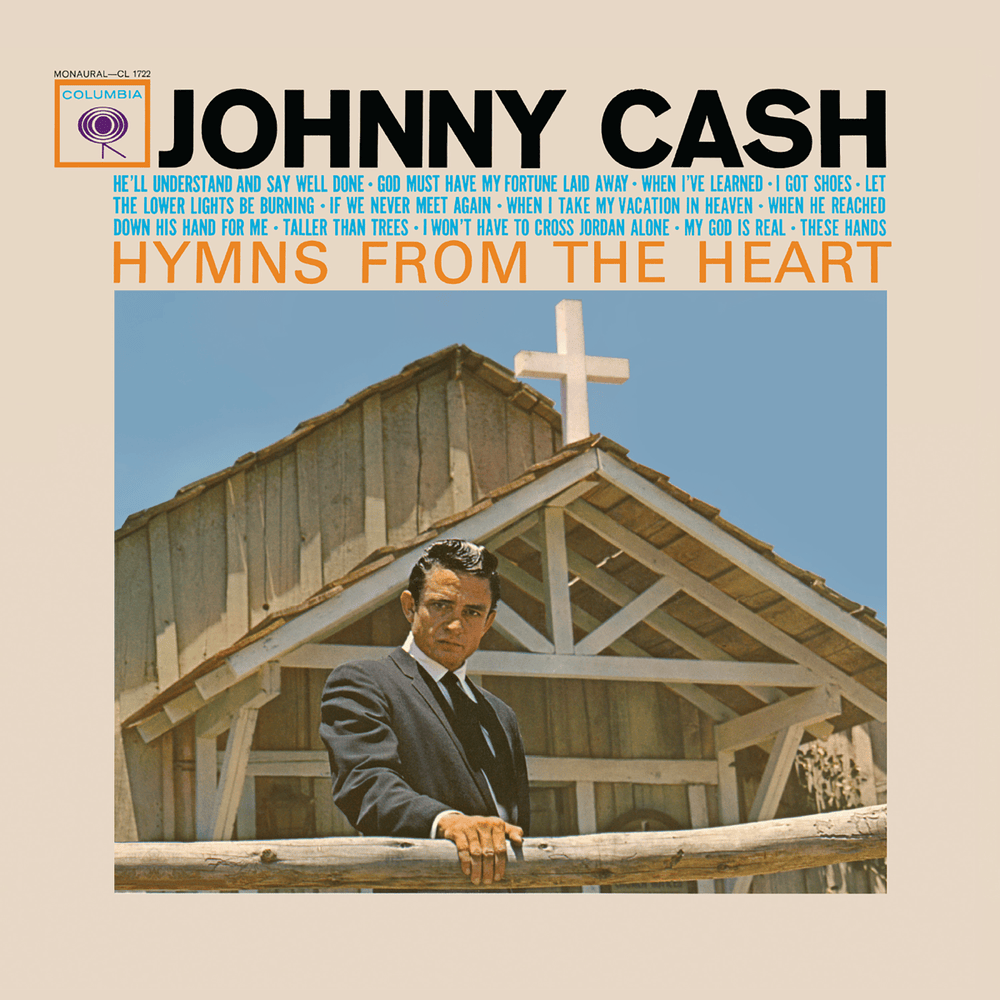
Johnny Cash's rendition of "My God Is Real (Yes, God Is Real)" isn't a complex theological treatise; it's a primal scream of faith, a deeply personal testimony delivered with the unwavering conviction that only the Man in Black could muster. The song sidesteps intellectual debate, bypassing reasoned arguments for the existence of a higher power. Instead, it plants its flag firmly in the territory of lived experience, of visceral feeling. The lyrics aren't concerned with proving anything to skeptics; they're about articulating an internal reality so profound that it needs no external validation. The opening lines readily admit the limits of human understanding, acknowledging the vast unknown, but then pivots immediately to the unshakable certainty of faith. This isn't blind faith, but a faith rooted in a tangible, felt presence. It's the kind of faith that sustains in the face of doubt and adversity. In essence, the song meaning resides not in philosophical arguments, but in the simple, powerful declaration: "My God is real for I can feel Him in my soul."
Cash's delivery, even within the relatively straightforward arrangement, imbues the song with a rugged authenticity. It's the voice of a man who has seen darkness and found solace, not in abstract concepts, but in a direct connection to the divine. The repeated assertion that God's love is "like pure gold" isn't just a simile; it's a statement of intrinsic value, of something precious and untarnished that offers both comfort and redemption. The chorus, a repetitive affirmation of faith, functions as a mantra, solidifying the singer's belief against the potential encroachment of doubt or the scorn of others. The song's power lies precisely in this simplicity, this unwavering focus on the personal, emotional reality of faith. It's an anthem for those who find their spiritual grounding not in dogma or doctrine, but in the quiet, persistent voice within.
Ultimately, "My God Is Real" is a musical embodiment of Kierkegaard's concept of the "leap of faith." It's a conscious decision to embrace belief, not through logical proof, but through an act of will and a surrender to feeling. The lyrics acknowledge the existence of doubt ("Some folks may doubt, some folks may scorn"), but they also assert the individual's right to find their own truth, to claim their own spiritual experience. The line "they can all go on, just leave me alone" is not aggressive but rather a defense of personal conviction. This is a song for those who have felt the presence of something larger than themselves, something that transcends reason and logic. It's a reminder that faith, at its core, is a deeply personal and profoundly human experience.
 View Artist