Song Meaning
Johnny Cash's "Great Weight" isn't just a Christmas carol; it's a stark, intimate portrait of faith under pressure. The song meaning resides not in overt theological pronouncements, but in the quiet details of Joseph's experience. We find him "tired," scrambling for shelter, and kneeling beside Mary as she endures the primal "pain of giving life." This isn't the gilded nativity of holiday cards, but a wearying, human moment made sacred by circumstance. The "great weight" could be interpreted literally, as the responsibility of caring for Mary and the newborn Jesus. But, metaphorically, it becomes the weight of prophecy, the daunting task of protecting the messiah, and the sheer, overwhelming mystery of divine intervention in their lives. Cash, with his signature gravitas, frames Joseph not as a distant figure from scripture, but as a relatable man grappling with extraordinary events. The arrival of shepherds and wise men, prompted by angels, underscores the cosmic significance of the birth. Yet, Cash keeps the focus grounded, emphasizing Joseph's role as a witness and protector. "He led them all to see / And praise the new born king," suggesting a quiet, almost reluctant acceptance of his pivotal role in this divine narrative.
The repeated chorus of "Merry Christmas, Mary" serves as both a tender affirmation and a declaration of faith. It's a simple, heartfelt expression amidst the profound implications of the moment. The bridge, with its "tears of joy" and angelic chorus, provides a moment of catharsis, a release of the emotional tension built throughout the verses. But even here, the focus remains on Joseph's personal experience, his quiet awe in the face of the miraculous. The lyrics analysis reveals Cash's genius in portraying faith not as blind acceptance, but as a journey of gradual understanding and profound humility.
Ultimately, "Great Weight" is a song about the intersection of the divine and the human. It suggests that even in the most humble and challenging circumstances, faith can emerge, transforming ordinary individuals into participants in something far greater than themselves. It's a testament to the enduring power of the Christmas story, retold through the eyes of a man burdened by responsibility, yet uplifted by the profound miracle unfolding before him. The beauty of Cash's interpretation lies in its accessibility, reminding us that the true spirit of Christmas resides not in grand pronouncements, but in quiet moments of human connection and unwavering belief.
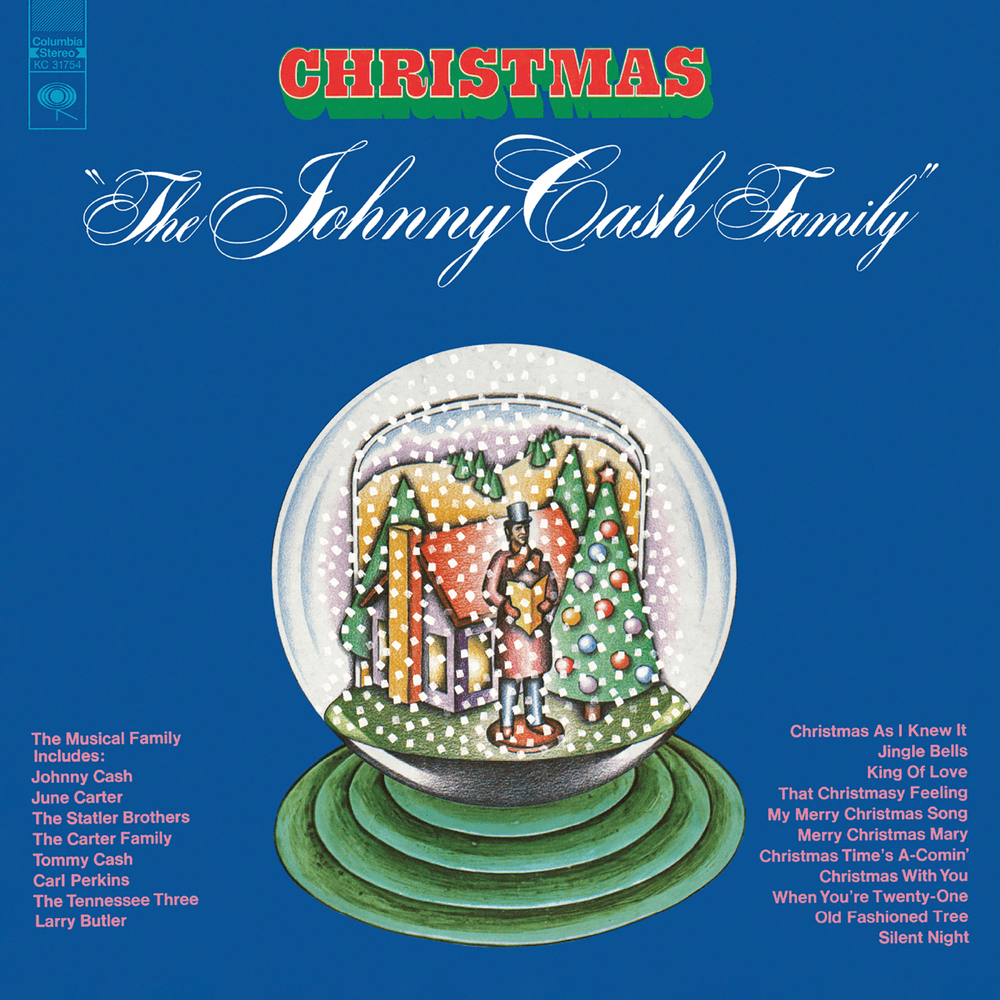
 View Artist