Song Meaning
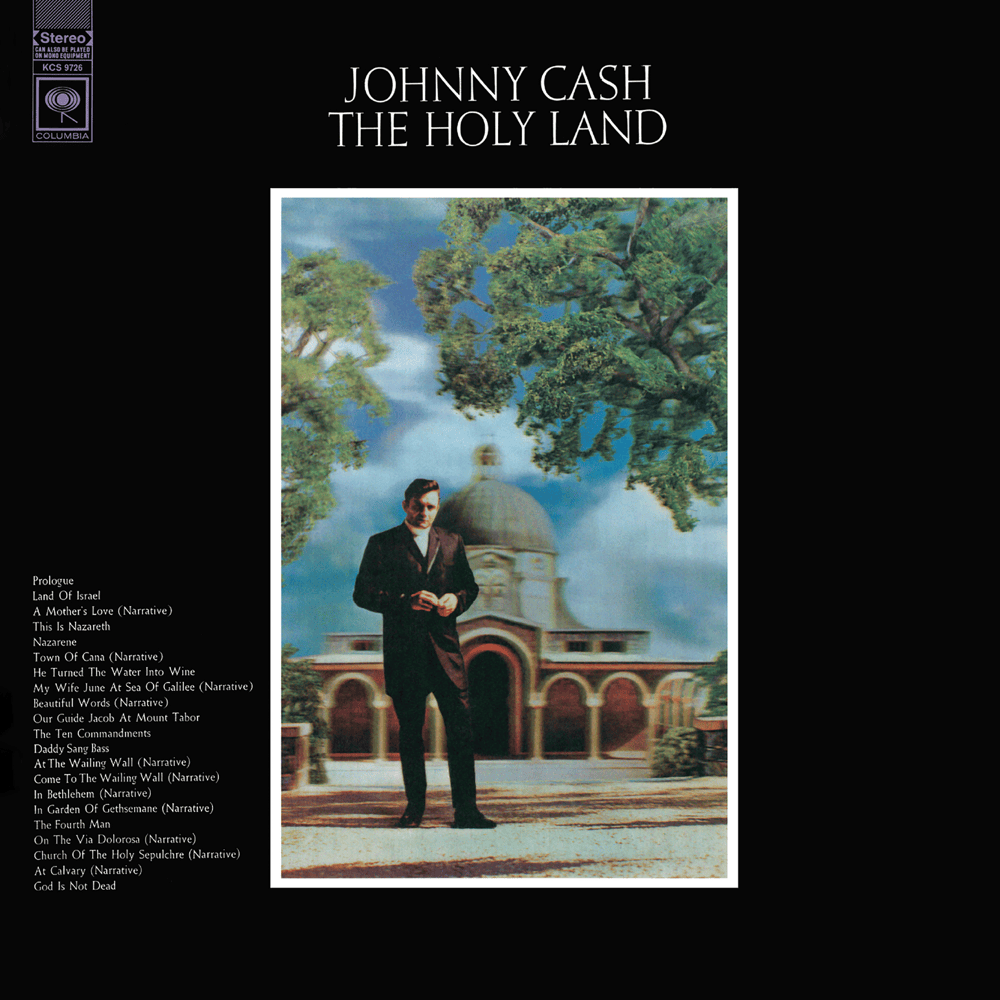
Johnny Cash's rendition of "In the Garden of Gethsemane" isn't just a gospel hymn; it's a raw, intimate portrayal of faith as a solitary, almost desperate, communion. The lyrics paint a picture of finding solace in a private encounter with the divine, set against the backdrop of Gethsemane, a place synonymous with Jesus's agonizing prayer before his crucifixion. The dew-kissed roses and hushed birds aren't mere pastoral details; they amplify the feeling of hushed reverence, suggesting a world holding its breath in anticipation of a sacred moment. The song meaning resides in the yearning for connection and the bittersweet comfort found in faith. The narrator's repeated assertion that "He walks with me, and he tells me I am His own" underscores a profound need for acceptance and belonging, a sentiment that resonates far beyond religious circles. It speaks to the universal human desire to feel seen, validated, and loved unconditionally.
The chorus, with its simple repetition, acts as a mantra, a grounding force against the "voice of woe" that inevitably intrudes. This intrusion is critical. The garden, however idyllic, cannot remain a permanent refuge. The lyrics acknowledge the world's pain and the call to action, the bittersweet reality that even the deepest spiritual experiences must translate into worldly engagement. There's a subtle tension between the desire to linger in divine comfort and the recognition of a higher purpose, a duty that pulls the narrator away from the garden's sanctuary. This push and pull reflects the psychological complexity of faith, the ongoing negotiation between personal solace and communal responsibility.
Ultimately, Cash's interpretation of "In the Garden of Gethsemane" becomes a powerful exploration of faith's role in navigating life's inevitable sorrows. It's not a saccharine depiction of religious bliss, but rather a testament to the enduring human need for connection, purpose, and a guiding voice in the face of adversity. The image of walking with God isn't just a metaphor for faith; it's a symbol of resilience, a reminder that even in the darkest of nights, one is not truly alone. The song's enduring appeal lies in its ability to tap into this deep well of human emotion, offering a sense of hope and companionship to anyone who has ever felt lost or adrift.
 View Artist