Song Meaning
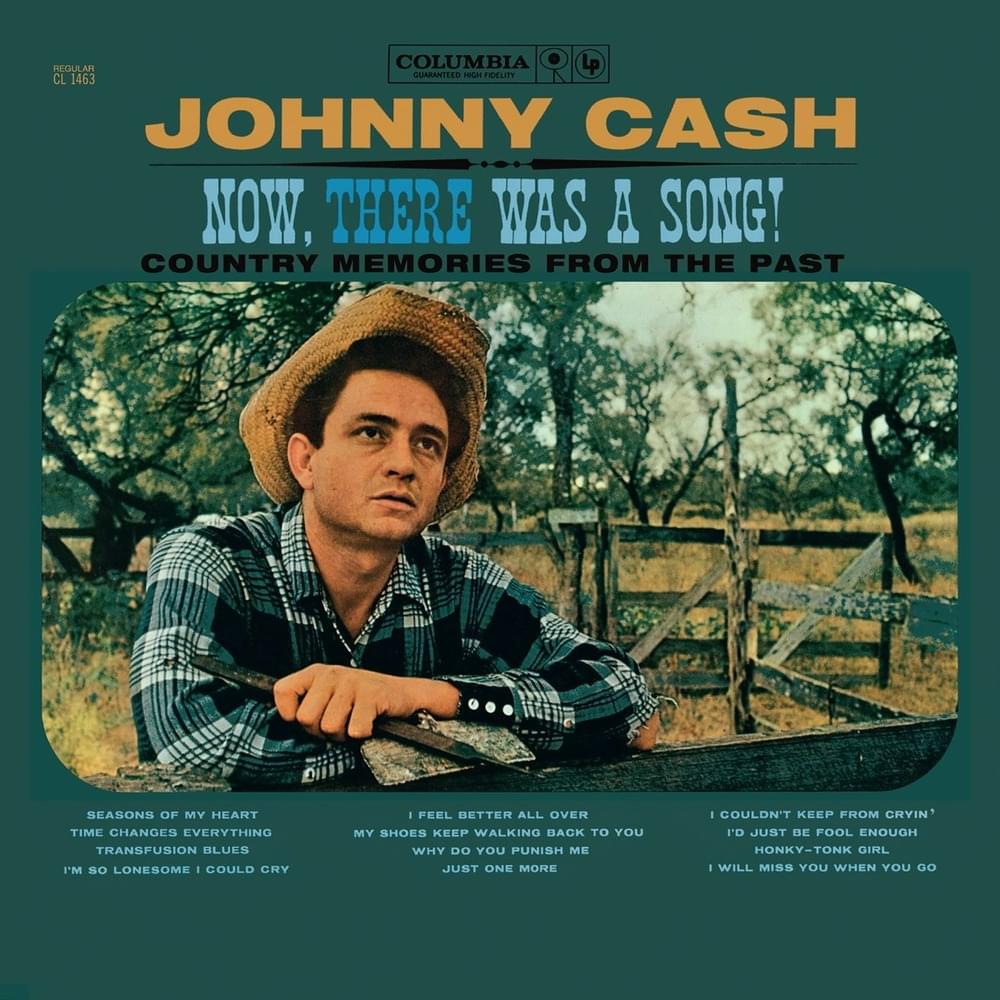
Johnny Cash's plaintive rendition of "I'm So Lonesome I Could Cry" isn't just a country standard; it's a masterclass in sonic desolation. The song, propelled by Hank Williams's original composition, taps into a primal well of human sorrow, using the natural world as a mirror reflecting internal anguish. It’s a bleak landscape painting where the whippoorwill’s cry isn't just a sound of the night, but a visceral echo of the narrator's own despair. The genius lies not in complex metaphors, but in the stark simplicity of the imagery. A robin weeping as leaves die, a moon hiding its face in shame – these aren't just observations; they’re projections of the narrator's inner state, painting a world drenched in empathy for his loneliness.
Time itself warps under the weight of this isolation. The line "I've never seen a night so long / When time goes crawling by" speaks to the subjective experience of grief, how it stretches moments into agonizing eternities. The "midnight train winding low" becomes less a mode of transport and more a symbol of mournful inevitability. Cash’s baritone, stripped bare of artifice, amplifies the sentiment. He doesn’t perform the loneliness; he embodies it, transforming the song into a raw, almost unbearable confession. The persistent refrain, "I'm so lonesome, I could cry," isn't a melodramatic flourish but a stark, understated truth.
Ultimately, “I’m So Lonesome I Could Cry” resonates because it understands that loneliness isn’t just an emotion; it's an existential condition. The falling star in a purple sky, beautiful yet silent, encapsulates this perfectly. It’s a moment of fleeting brilliance against an infinite backdrop of darkness and unanswered questions. The narrator's wonder about the absent 'you' underscores the core of the song: the aching void left by connection lost, the desperate search for meaning in a world suddenly devoid of warmth. It’s a song about the crushing weight of absence, and Cash delivers it with a quiet, devastating power.
 View Artist