Song Meaning
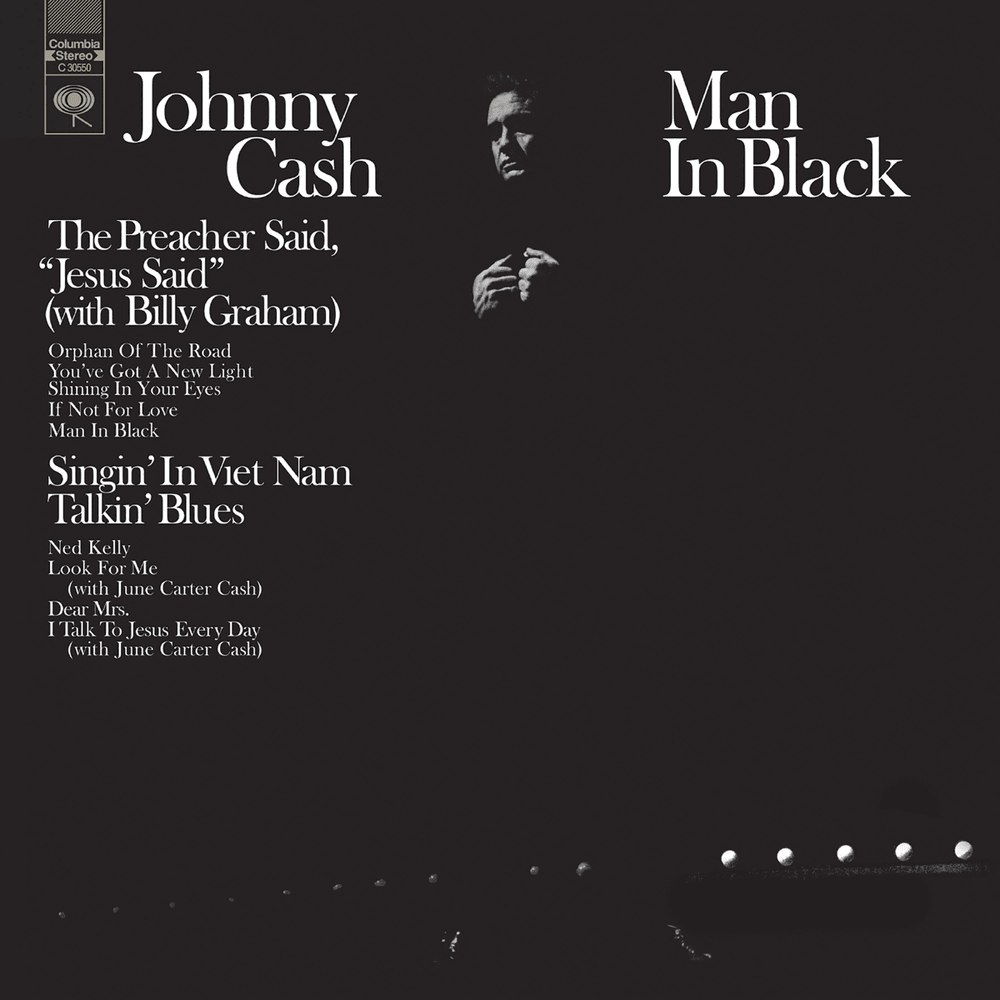
Johnny Cash's "If Not for Love" isn't a romantic ballad in the traditional sense; it's a stark meditation on grace and the razor-thin line separating a decent life from one consumed by despair. The song, in classic Cash style, observes the downtrodden and the desperate – a broken man, an envious old man, a young thief – painting a grim tableau of human suffering. The recurring line, "If not for love I could be one of these," is not just a statement of gratitude, but a chilling acknowledgment of our shared potential for ruin. It suggests that only the intervention of love (be it romantic, familial, or divine) has spared the narrator from a similar fate. This is not love as saccharine sentimentality, but as a force of redemption and a bulwark against the abyss.
The verses detail various forms of human misery, each representing a different path to potential self-destruction: poverty, envy, addiction, wasted talent. The 'man of squandered talents' is a particularly poignant figure, suggesting that even innate gifts are insufficient to guarantee a fulfilling life. The lurking 'jealous friend' adds another layer of complexity, hinting at the corrosive effects of envy and the ever-present threat of betrayal. Cash's genius lies in his ability to evoke empathy without resorting to sentimentality. He presents these figures not as objects of pity, but as reflections of our own vulnerability. The chorus underscores this point, emphasizing the sheer number of ways in which a life can go astray: "I could be one of these or so many many more / Always at the beck and call of shame."
Ultimately, "If Not for Love" is a powerful exploration of human frailty and the transformative power of compassion. The song's meaning resonates deeply because it acknowledges the precariousness of our existence and the importance of connection. The repeated phrase, "But if not for you love wouldn't know my name," suggests a profound sense of indebtedness, not just to a specific person, but to the very concept of love as a saving grace. Cash isn't simply expressing gratitude; he's confessing a fundamental truth about the human condition: that we are all, to some extent, dependent on love to keep us from falling into the abyss.
 View Artist