Song Meaning
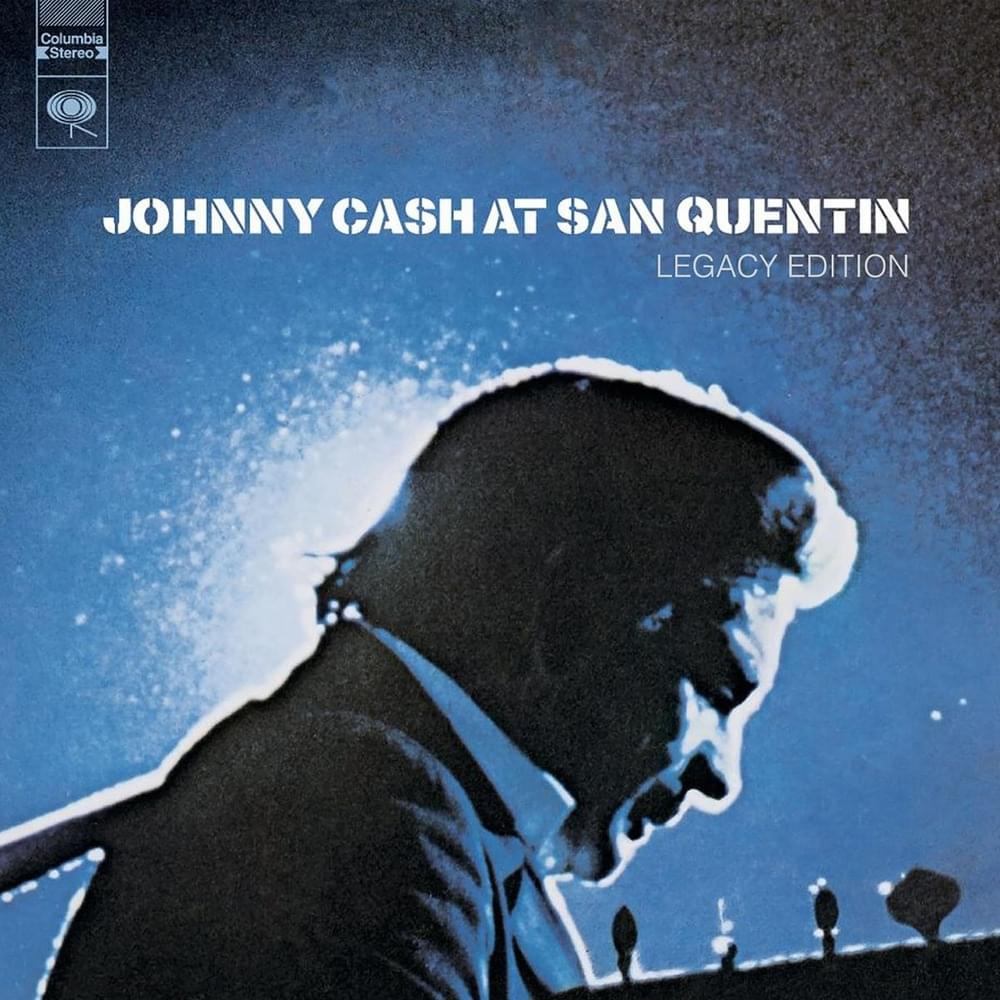
Johnny Cash's live rendition of "I Still Miss Someone" isn't just a country lament; it's a raw, exposed nerve of enduring grief. The song's simplicity, both in its melody and lyrical construction, belies the profound depth of its emotional resonance. Cash, a master of conveying complex feelings with minimal flourish, transforms the well-worn theme of lost love into something hauntingly personal. The opening lines, setting the scene with falling leaves and a cold wind, immediately establish a mood of melancholic isolation. These aren't just seasonal changes; they're metaphors for the internal winter the narrator is experiencing, a desolation amplified by the sight of happy couples. The turning of the seasons mirrors the turning of his own emotional landscape.
The verses paint a picture of a man attempting to move on, to find solace in social interaction ("I go out on a party / And look for a little fun"). However, this attempt at distraction proves futile, leading him instead to "a darkened corner," a physical manifestation of his inner turmoil. The brilliance of the song lies in its refusal to sugarcoat the experience of loss. There's no easy resolution, no triumphant declaration of moving on. Instead, there's a persistent, gnawing ache, a recognition that some wounds leave scars that never fully fade. The bridge, with its stark admission "No, I never got over those blue eyes," is a moment of brutal honesty, acknowledging the lingering power of a past love. The color blue itself can also represent feelings of sadness, loneliness, or depression, further emphasizing the emotional weight of the lost relationship.
Ultimately, the song's power comes from its universality. "I Still Miss Someone" isn't just about romantic love; it's about the enduring impact of absence, the way certain people and experiences can shape our lives long after they're gone. The final verse, with its questioning "I wonder if she's sorry / For leaving what we'd begun," hints at a lingering hope for reconciliation, a desire for closure that may never come. The concluding line, a repetition of the title, serves as a poignant reminder of the narrator's ongoing struggle, a testament to the enduring power of memory and the bittersweet nature of love and loss. Johnny Cash doesn't just sing about missing someone; he embodies the very essence of longing.
 View Artist