Song Meaning
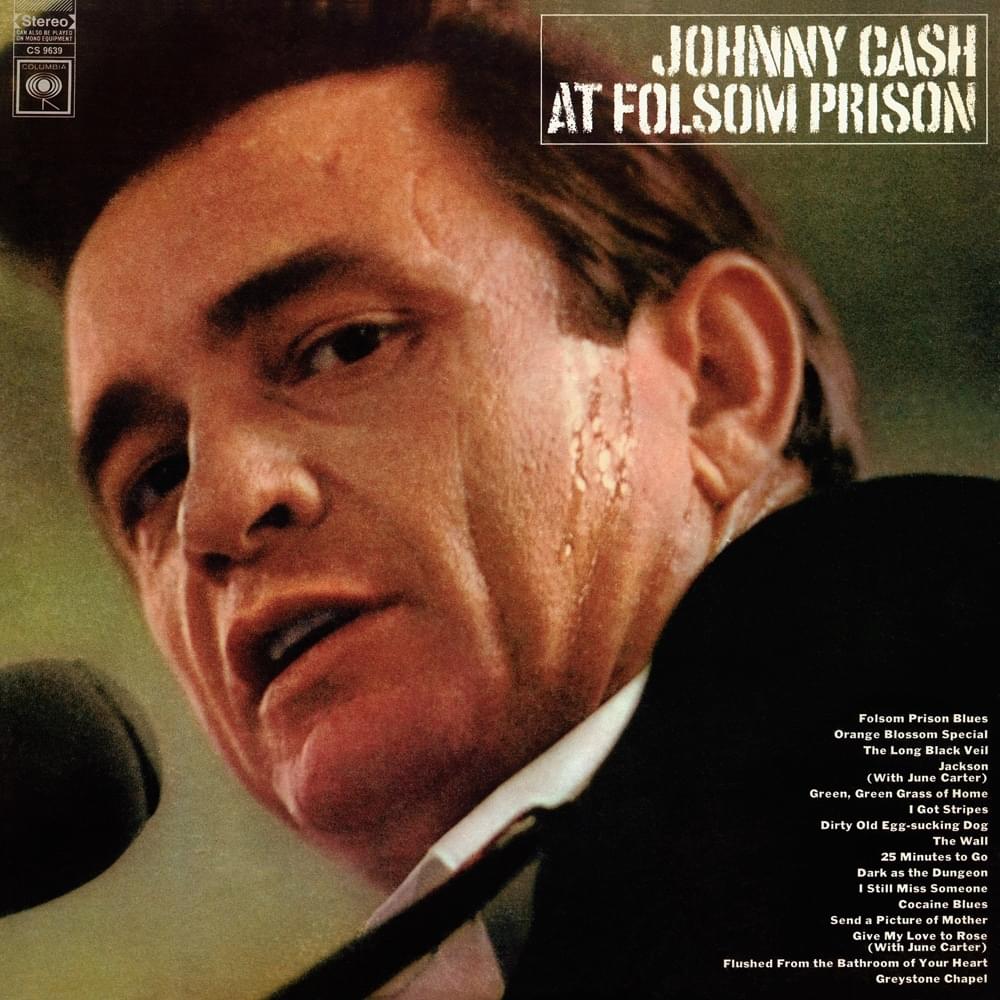
Johnny Cash's "I Still Miss Someone (At Folsom Prison)" isn't just a country lament; it's a masterclass in understated sorrow, amplified by the stark setting of a prison performance. The beauty of the song, and its enduring appeal, lies in its devastating simplicity. The lyrics paint a picture of a man haunted by a past love, not with anger or bitterness, but with a persistent, dull ache. The falling leaves and cold wind aren't mere seasonal markers; they mirror the emotional desolation within the singer. He observes the world moving on – sweethearts strolling by, the fleeting promise of a party – yet remains tethered to a memory. He is trapped in the amber of what he has lost. The Folsom Prison context adds another layer: Cash, singing to an audience of men separated from their own loved ones, amplifies the universal experience of longing.
The song's power resides in its refusal to overdramatize. There are no histrionics, no accusations, only the quiet admission: "I still miss someone." The repetition of this line throughout the song drills home the inescapable nature of his grief. It's not about grand gestures or dramatic confrontations; it's about the mundane reality of missing someone in the everyday moments of life. The singer's memories are triggered by ordinary occurrences – a party, a walk outside – highlighting how grief can ambush you when you least expect it. The admission "I never got over those blue eyes / I see them everywhere" speaks to the way a lost love can become an almost hallucinatory presence, coloring every perception.
Even the glimmer of hope – "There's someone for me somewhere" – is tinged with sadness. It's not a declaration of optimism, but a faint, almost obligatory acknowledgement that life might eventually move forward. This line, juxtaposed against the repeated declaration of loss, underscores the complexity of human emotion. It's possible to hold onto hope while simultaneously being consumed by grief. The beauty of "I Still Miss Someone" is that it doesn't offer easy answers or neat resolutions. It simply presents a raw, honest portrait of enduring love and the profound pain of its absence. The Folsom setting transforms the song from a personal expression of loss into a collective experience, resonating with anyone who has ever felt the weight of longing.
 View Artist