Song Meaning
Johnny Cash's rendition of "I Heard the Bells on Christmas Day" isn't your typical fireside carol; it's a stark meditation on faith tested by reality. The song, rooted in Henry Wadsworth Longfellow's 1863 poem, was written during the American Civil War, a context crucial to understanding its emotional weight. Cash, with his world-weary baritone, amplifies the poem's inherent tension between the idealistic promise of Christmas and the brutal realities of a world steeped in conflict. The opening verses paint a picture of traditional Christmas joy – the familiar carols, the 'unbroken song' of peace echoing from church belfries. But this initial harmony quickly dissolves into despair. The singer, overwhelmed by the omnipresent 'hate,' directly challenges the holiday's central message, declaring, 'There is no peace on earth.' This isn't mere cynicism; it's a raw, honest expression of disillusionment. The psychological impact of witnessing widespread suffering leads to a crisis of faith, a questioning of the very foundations upon which hope is built.
The chorus offers a counterbalance to this despair, a defiant refusal to succumb entirely. 'God is not dead, nor doth He sleep' isn't a naive platitude, but a hard-won affirmation. It acknowledges the existence of evil while simultaneously asserting the ultimate triumph of good. The bells, ringing 'more loud and deep,' symbolize a renewed sense of hope, a belief in the eventual victory of 'right' over 'wrong.' However, the song doesn't shy away from the ongoing struggle. The repetition of 'peace on earth, goodwill to men' serves as both a reminder of the ideal and an acknowledgment of its persistent absence. The 'wrong shall fail, the right prevail' is less a guarantee than a statement of faith, a commitment to continue striving for a better world even in the face of overwhelming adversity.
Ultimately, Johnny Cash's interpretation of "I Heard the Bells on Christmas Day" is a powerful exploration of the human condition. It's a song that acknowledges the darkness while clinging to the light, a testament to the enduring power of hope in the midst of despair. The lyrics analysis reveals that the song's genius lies in its ability to hold these conflicting emotions in balance, offering solace not through blind optimism, but through a realistic and resilient faith. The song meaning resonates deeply because it acknowledges the complexity of the world, the ongoing struggle between good and evil, and the enduring need for hope, especially during times of conflict and uncertainty.
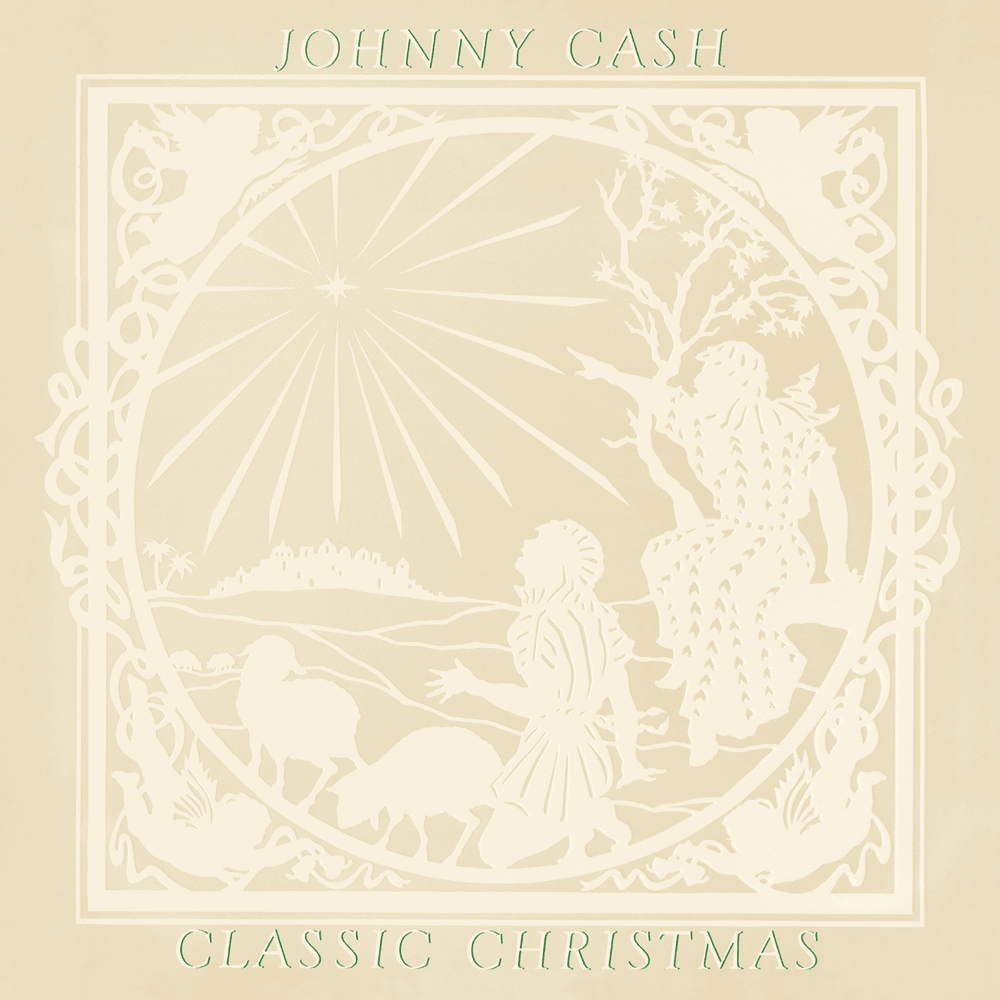
 View Artist