Song Meaning
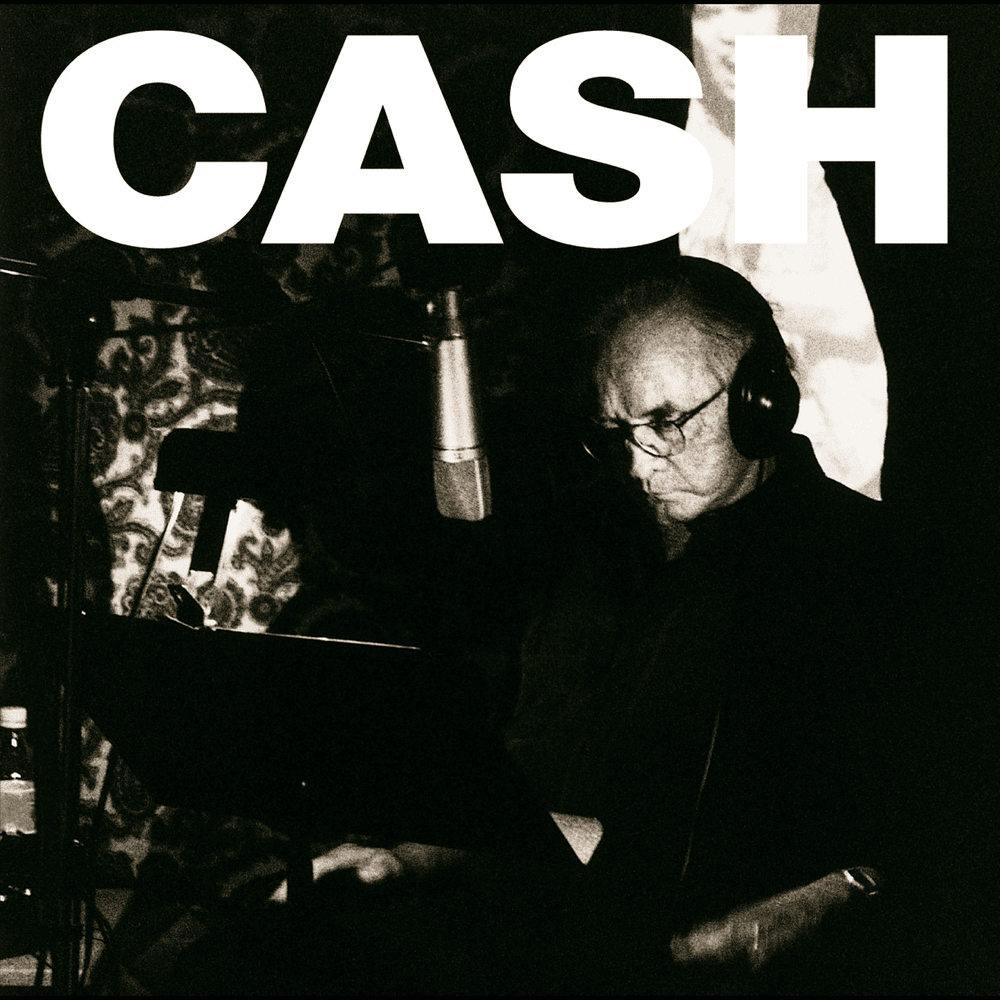
{"song_id": 11767065, "meaning": "Johnny Cash's \"I Came to Believe\" isn't subtle; it's a stark, late-career testament to faith born from the ashes of self-reliance. The song meaning resides in its raw simplicity, eschewing complex theological arguments for a direct confession of personal inadequacy. Cash, the Man in Black, strips away the outlaw persona, revealing a vulnerability that's arguably more compelling than any prison ballad. The opening verse lays bare the core problem: a self-destructive cycle of taking on burdens and then compounding the damage by foisting them onto others. This isn't just about addiction or moral failings; it's a fundamental flaw in the human condition – the inability to manage one's own existence without external aid. The 'warm comforter' represents a turning point, a moment of grace that interrupts the downward spiral.
The chorus of \"I Came to Believe\" repeats like a mantra, underscoring the transformative power of surrender. Cash's vocal delivery, weathered and world-weary, adds weight to the declaration. The phrase 'childlike faith' is key. It's not about intellectual assent to doctrine but a primal, almost regressive act of trust. It’s a relinquishing of control, an admission that the ego, the self-proclaimed master of its domain, is ultimately impotent. There's a palpable sense of relief in this admission, a shedding of the heavy armor of self-sufficiency.
The second verse of \"I Came to Believe\" doubles down on this theme, emphasizing the futility of solitary struggle. The line, 'each time I failed it made me feel twice as alone,' speaks to the isolating nature of pride and the corrosive effect of repeated setbacks. The direct plea to a higher power – 'Lord there must be a sure and easier way' – is less a bargaining chip than a genuine cry for help. It's the sound of a man who has exhausted all other options, finally willing to acknowledge his limitations and seek solace beyond himself. The song, in its totality, is a powerful statement about the necessity of humility and the possibility of redemption, even in the darkest of times, delivered with the gravitas that only Johnny Cash could muster."}
 View Artist