Song Meaning
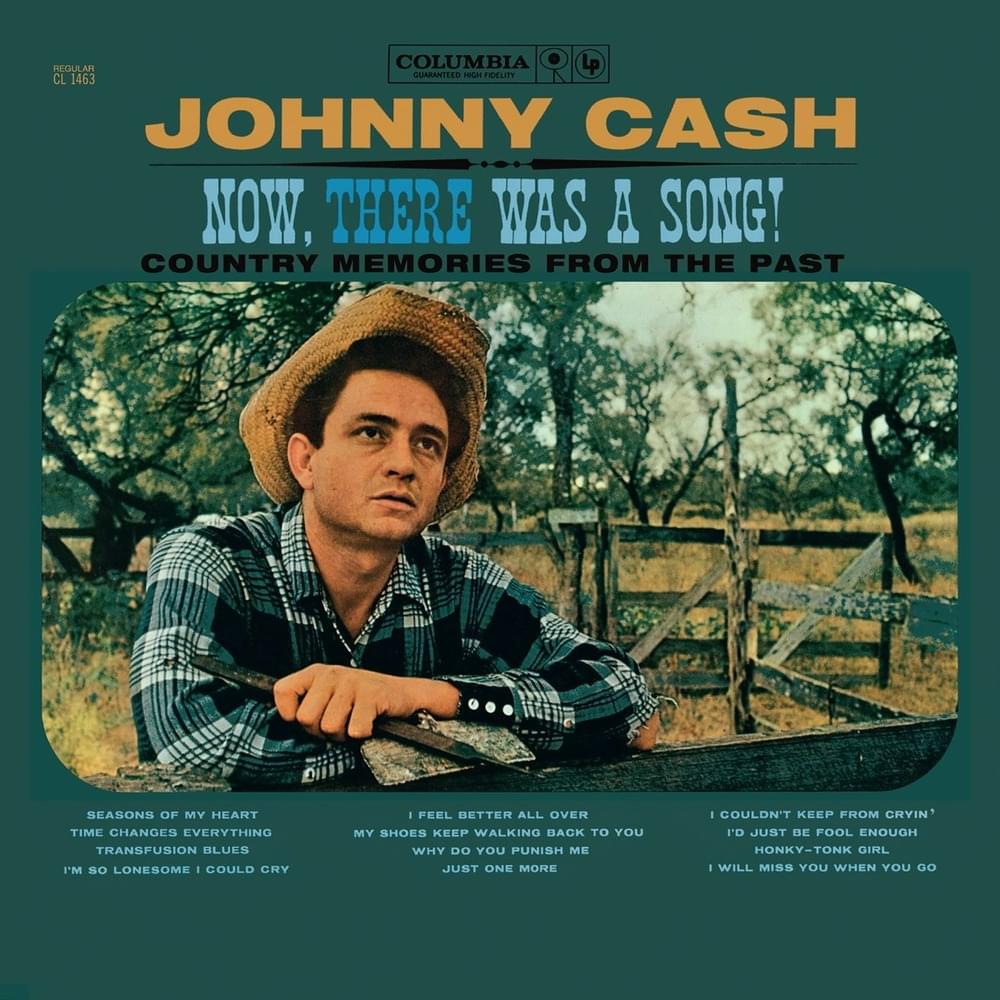
{"song_id": 11772690, "meaning": "Johnny Cash, an artist synonymous with raw honesty, lends his voice not to a tale of personal woe in \"Honky-Tonk Girl,\" but to a cautionary narrative. The song's subject is a woman defined solely by her disruptive influence on men's lives, a figure who weaponizes her charm. Cash doesn't offer excuses or delve into her backstory; she simply *is* a \"honky-tonk girl,\" a label that encapsulates her entire being and justifies her behavior. The bright facade – \"big blue eyes, a smile or a golden curl\" – is merely a deceptive tool, a mask concealing a fundamental lack of empathy. The lyrics paint a picture of a woman unbound by societal expectations, yet simultaneously trapped within the confines of her chosen persona.
The repeated chorus emphasizes the core of the \"Honky-Tonk Girl's\" destructive nature. \"Breakin' hearts to her is just a way of havin' fun\" isn't presented as a symptom of trauma, but as a conscious choice, a form of entertainment. The harsh judgment levied against her is palpable. She views men as \"fools,\" readily manipulated pawns in her game. The phrase \"she'll give your heart a twirl\" is particularly telling, suggesting a superficial engagement with emotions, a casual disregard for the profound impact she has. It's a dance of deception, where love is a performance and heartbreak, the inevitable finale.
Ultimately, the song's meaning lies in its stark portrayal of a character archetype – the heartbreaker, the femme fatale of the honky-tonk scene. While the lyrics offer no psychological depth, they succeed in creating a memorable, albeit unsympathetic, portrait. The warning is clear: don't be seduced by appearances, for beneath the surface lies a woman incapable of genuine connection, forever destined to repeat her cycle of emotional manipulation. The song offers a somewhat fatalistic view; she \"can never change her ways,\" suggesting a deeply ingrained pattern of behavior. Johnny Cash's rendition transforms this simple narrative into a stark commentary on love, betrayal, and the enduring power of archetypes."}
 View Artist