Song Meaning
The narrator faces a stark reality: loss. He acknowledges, with a heavy sigh, that he will eventually forget his baby, get along somehow, and miss her kisses daily. Each of these admissions is met with the same resigned refrain, a quiet acknowledgment of life's unpredictable turns. The lyrics paint a picture of someone grappling with the inevitability of change, even when that change brings pain.
The central tension lies in the narrator's struggle between his personal feelings and the external forces dictating his life. He explicitly states, "I don't like it," yet consistently concedes, "I guess things happen that way." This internal conflict is amplified in the chorus, where a divine intervention is invoked: "God gave me that girl to lean on / Then he put me on my own." This suggests a feeling of being subject to a higher power's plan, one that involves both support and subsequent abandonment, forcing a difficult self-reliance.
The most striking aspect of the craft is the relentless repetition of the phrase "I don't like it, but I guess things happen that way." This simple, almost mantra-like repetition underscores the narrator's passive acceptance of hardship. It’s not a triumphant overcoming, but a weary surrender. The structure, moving from specific questions about forgetting, getting along, and missing kisses to the broader plea for strength in the chorus, mirrors the narrator's own process of confronting his new, solitary reality.
Ultimately, the effectiveness of these lyrics stems from their raw, unvarnished honesty about dealing with loss. There's no sugarcoating, no false hope. The narrator's repeated, almost reluctant, acceptance of circumstances, coupled with his plea for divine assistance in standing alone, resonates because it captures a universal human experience: the quiet, often painful, process of adapting to life's unexpected departures and the struggle to find inner strength when external support vanishes.
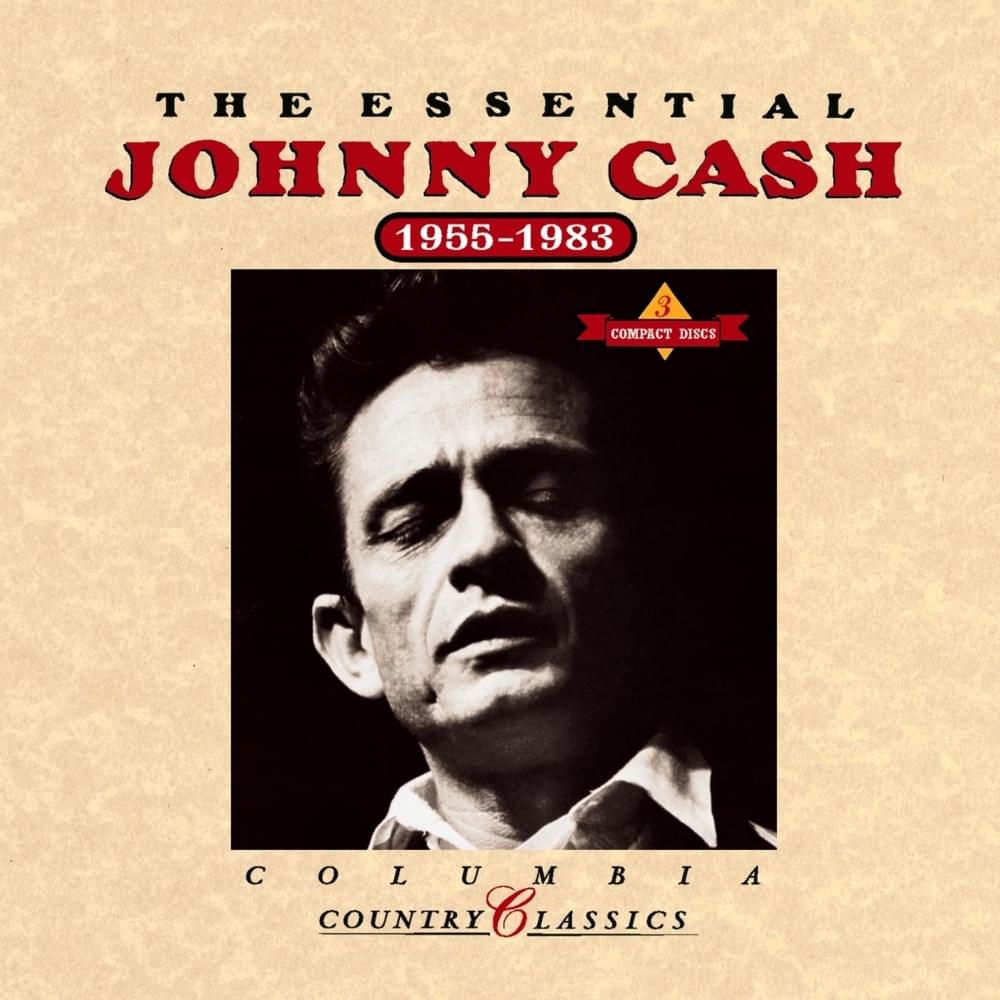
 View Artist