Song Meaning
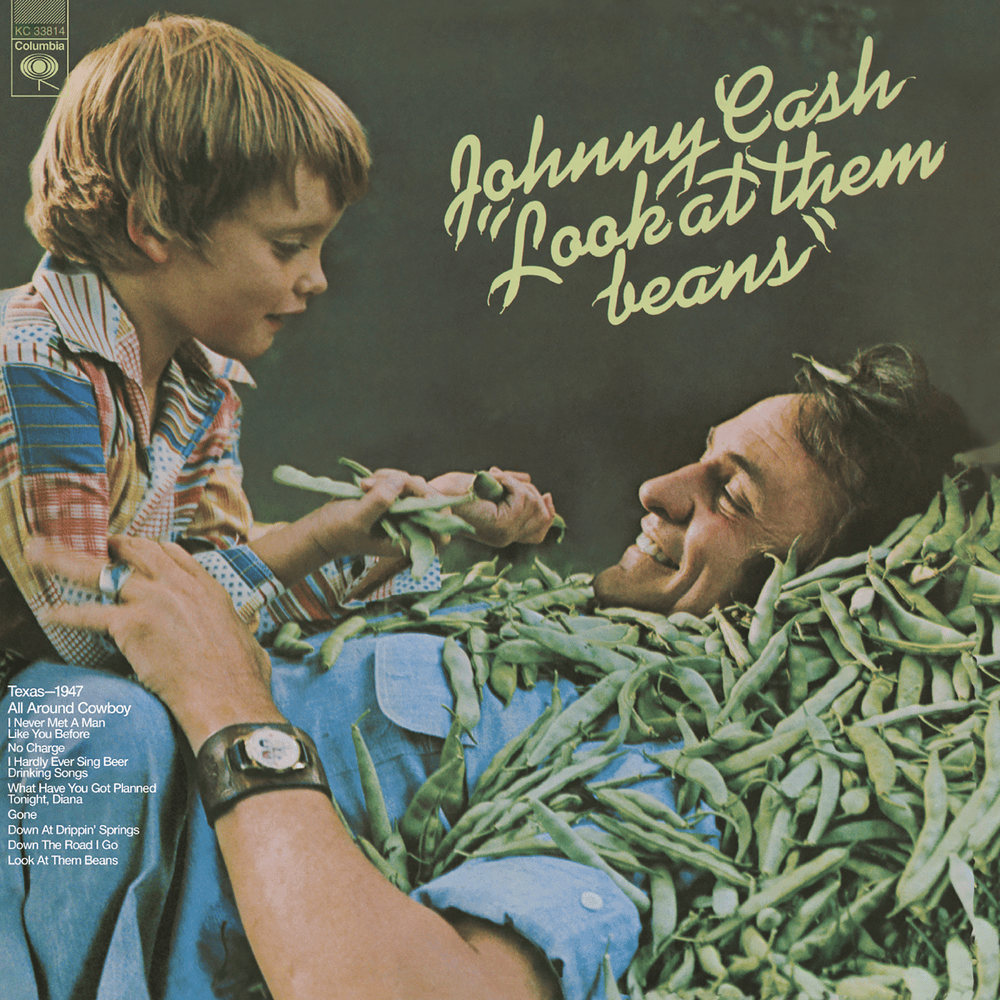
Johnny Cash's "Gone" isn't just a song; it's a weary sigh from a man staring down the barrel of middle-aged discontent. The opening lines, painting a picture of escape by Frisco Bay, are less about geographical relocation and more about psychic flight. The "Hawaiian winds blow my past away" line drips with the desperate hope that simply changing location can erase the accumulated weight of experience. But the specter of Alcatraz looms, a potent symbol of inescapable confinement, mirroring the singer's own feelings of being trapped.
The chorus is a brutal inventory of modern burdens: "bills love and pills and drink and wine and song / Stand in line and fight and wind and roam." This isn't the outlaw country of legend; it's a catalog of the mundane struggles that grind a man down. The litany culminates in the stark admission, "I'm a man that's tired and gone." It's not just physical weariness; it's a spiritual exhaustion, a sense of being emptied out by the relentless demands of life. The juxtaposition of "kids and yard" with this feeling of being "gone" suggests a profound disconnect between the expected joys of domesticity and the singer's lived reality.
The second verse offers a glimpse into a rosier past, a time when "things were good" and love felt abundant. But this memory only serves to highlight the present desolation. The shift from "things were good" to "things got hard" is delivered with a world-weary resignation. There's no blame assigned, no dramatic betrayal; just the slow, inevitable decay of love and the numbing effect of time. The repetition of "tired" and "cold" reinforces the sense of emotional entropy. The song circles back to Alcatraz, underscoring the feeling of being trapped, not by physical bars, but by the invisible chains of responsibility, regret, and the crushing weight of unmet expectations. "Gone" isn't a celebration of freedom; it's a lament for a life that has somehow slipped away.
 View Artist