Song Meaning
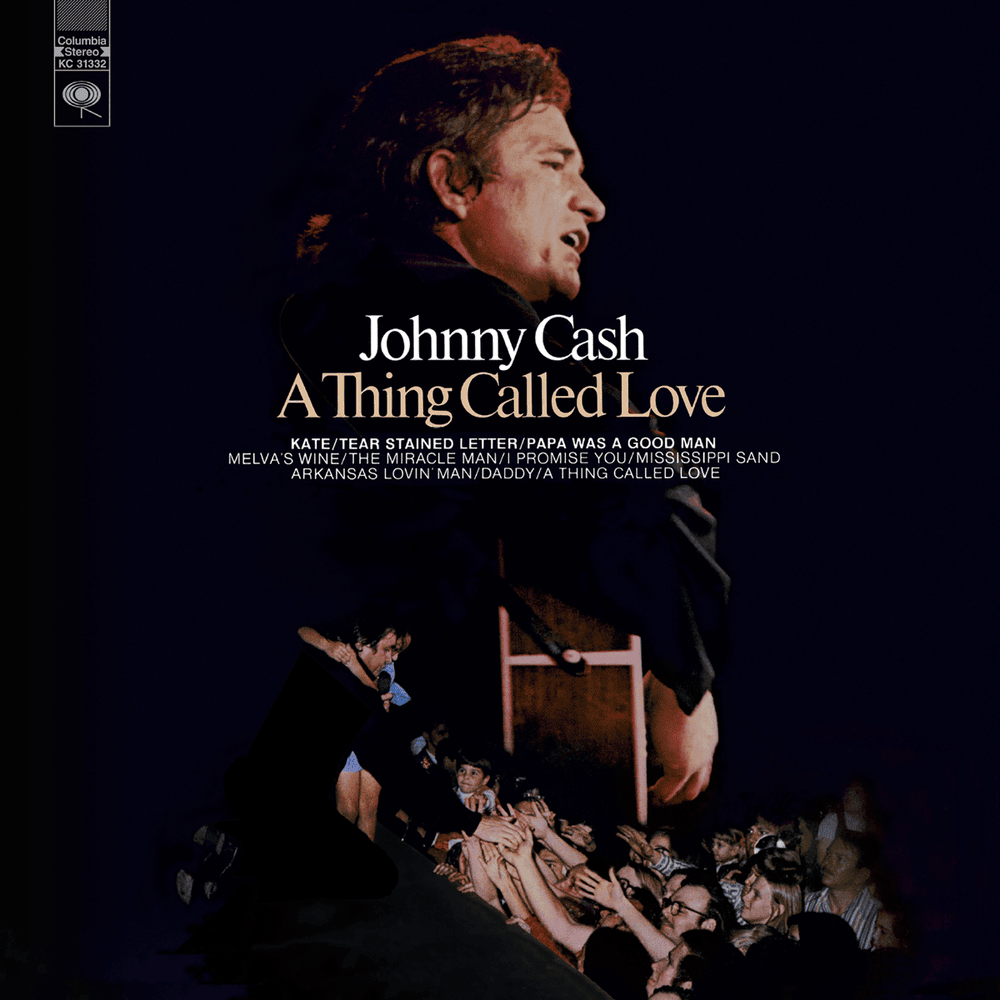
{"song_id": 11777157, "meaning": "Johnny Cash's \"Daddy\" isn't a sentimental portrait of fatherhood; it's a stark meditation on the quiet dignity of an ordinary life, viewed through the lens of grief. The song meaning resides not in grand pronouncements or celebrated achievements, but in the small, unacknowledged virtues of a man whose worth was measured in the tears of his family and the understated respect of his community. Cash bypasses the clichés of eulogy, instead focusing on the absence of fanfare that defined this man's existence: \"His deeds were never published for the public / The things he did were never done for show.\" This isn't a lament for a forgotten hero, but a recognition that heroism often resides in the mundane. The lyrics analysis reveals a life lived without pretense, a rejection of the spotlight in favor of genuine connection.
The recurring hymn, \"Nearer my God to Thee,\" acts as both a comfort and a counterpoint. It's a traditional expression of faith in the face of death, yet within the context of Cash's lyrics, it also highlights the distance between societal expectations of greatness and the quiet spirituality of the common man. The narrator's personal experience, \"And I felt nearer my God to Thee,\" suggests an awakening, a realization that true connection to the divine isn't found in outward displays of piety but in the shared sorrow and unspoken bonds of human relationships. The contrast between the preacher's platitudes and the \"tears I tasted\" underscores the authenticity of lived experience versus hollow pronouncements.
Ultimately, \"Daddy\" is a poignant commentary on the societal values that often overlook the significance of ordinary lives. Cash champions the unsung hero, the man whose impact is felt not in headlines but in the hearts of those he leaves behind. The song suggests a re-evaluation of what constitutes a meaningful existence, finding value not in material wealth or public recognition, but in the simple acts of kindness and the enduring love of family. The analysis of Johnny Cash's song reveals a powerful statement about the beauty and inherent worth of a life lived with integrity, even if that life is largely unnoticed by the wider world."}
 View Artist