Song Meaning
Johnny Cash's rendition of "Bury Me Not on the Lone Prairie" is less a song and more a stark, spoken-word testament to the brutal indifference of the Old West. The opening line, a desperate plea from a dying cowboy, immediately throws us into the heart of existential dread. His request is simple: avoid a lonely, anonymous grave where the wind and coyotes are his only mourners. This isn't about heaven or hell; it's about the fundamental human need for connection, for someone to remember you existed. The 'lone prairie' becomes a symbol of isolation, a vast emptiness mirroring the fear of oblivion. The pallid lips and bloody ground paint a grim picture, a scene ripped from a Cormac McCarthy novel.
What makes the song so chilling is the casual disregard for the dying man's wishes. "We took no heed to his dying prayer," the narrator matter-of-factly states. This line is a gut punch, exposing the harsh reality of frontier life where survival often trumped compassion. The six-by-three grave, described with cold precision, further emphasizes the dehumanization. It's a nameless, shallow pit on an unforgiving landscape. The repetition of the plea "Oh, bury me not on the lone prairie" underscores the youth's growing terror, a primal scream against the void.
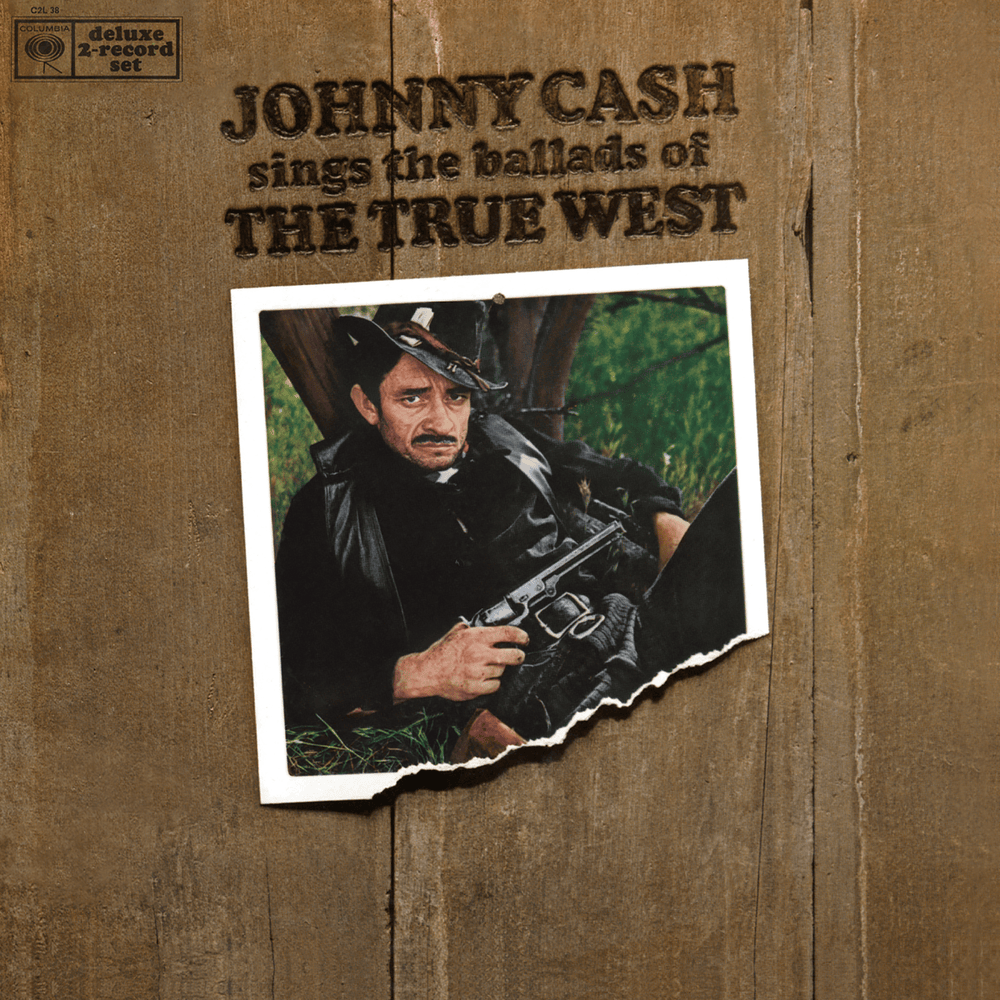
Cash's delivery, devoid of sentimentality, amplifies the song's impact. He doesn't preach or moralize; he simply presents the facts, allowing the listener to grapple with the implications. The song taps into our deepest fears of abandonment and the desire for lasting significance. The prairie, indifferent to human suffering, serves as a constant reminder of our mortality. Ultimately, "Bury Me Not on the Lone Prairie" is a bleak meditation on mortality, the fragility of life, and the profound loneliness that can haunt even the bravest souls. It's a reminder that even in death, we yearn to be remembered, to leave some trace of our existence on this earth.
 View Artist