Song Meaning
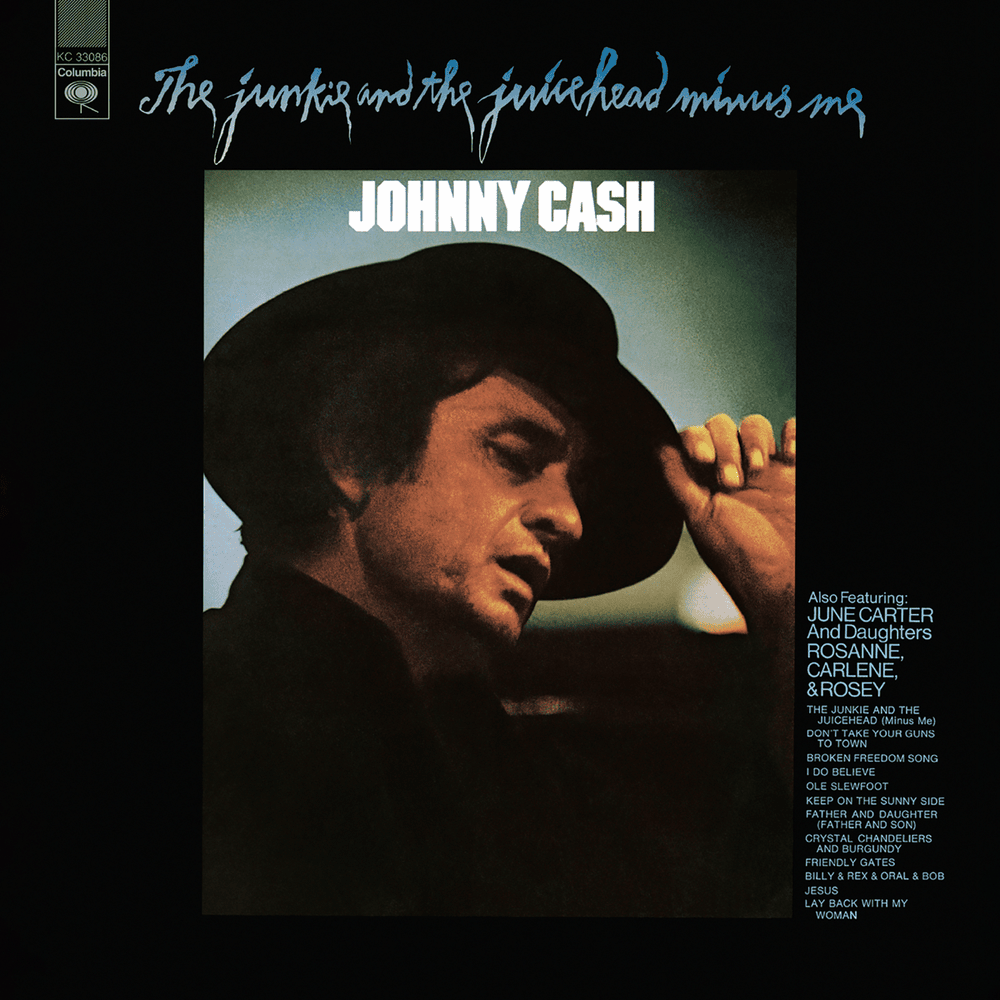
Johnny Cash's "Broken Freedom Song" isn't a fist-pumping anthem; it's a hushed lament for the casualties of liberty's broken promises. Forget the soaring rhetoric – Cash drills down into the quiet desperation of those left behind. The song's power resides in its stark portrayal of abandonment, painting two portraits of isolation: a pregnant woman deserted by her lover and a Christ-like figure forsaken by his father. These aren't grand pronouncements; they're intimate whispers of pain. Cash understands that freedom, idealized as it may be, often fails to deliver on its promise of security and belonging, leaving individuals stranded in the silence of their own homes and minds. The 'freedom' in the silence at her door is the sound of absence, the hollow echo of unmet expectations. It’s the opposite of liberation; it's a prison of circumstance.
Both figures in Cash's narrative are burdened by expectations – the woman with the societal expectation of a provider, the savior with the divine expectation of redemption. The lyrics cleverly juxtapose these burdens, highlighting the universal weight of unmet needs and broken bonds. The "cross he never made" is a particularly poignant image, suggesting a burden not of one's own making, an inherited suffering. This savior is not triumphant but "lonesome and afraid," stripped of his power and left to grapple with the same existential anxieties as the woman waiting by the phone. The song subtly critiques the very notion of a singular, heroic 'freedom,' exposing the messy, complicated reality of human connection and the devastating consequences of its absence.
Ultimately, "Broken Freedom Song" diagnoses a specific kind of spiritual and emotional poverty. The repeated line, "No one missin' 'til you need 'em there ain't no fun to sing that song no more," underscores the core theme: the crushing realization that support systems crumble when they're most needed. The 'broken song' itself becomes a metaphor for the shattered ideals of freedom and the difficulty of finding solace in a world that often feels indifferent to individual suffering. Cash doesn't offer solutions or platitudes; he simply holds a mirror to the pain, forcing us to confront the uncomfortable truth that freedom, without empathy and connection, can be a profoundly isolating experience.