Song Meaning
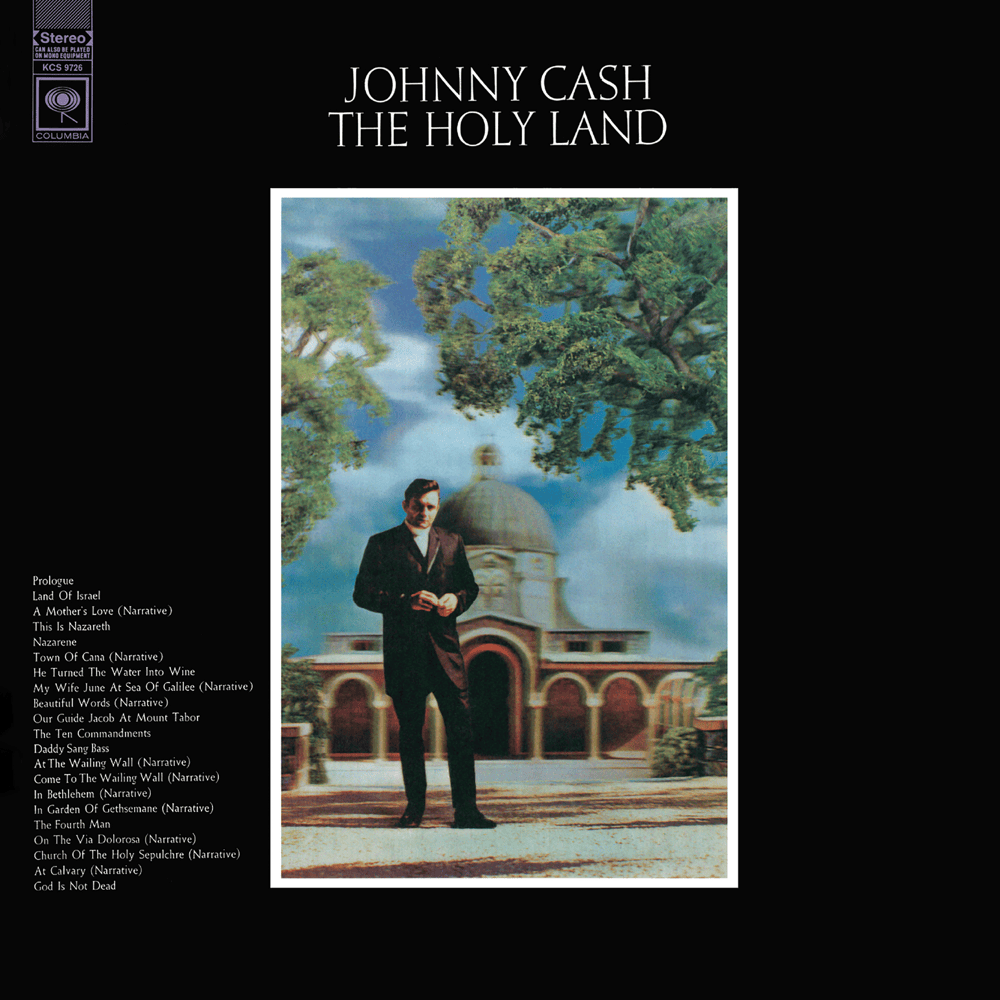
Johnny Cash's "At The Wailing Wall" isn't a song in the conventional sense, but a sonic snapshot, a field recording imbued with the weight of history and faith. Stripped bare of typical musical structure, it presents a raw, unvarnished auditory experience, placing the listener directly at one of the most contested and emotionally charged sites in the world. The power of the piece lies not in melody or rhythm, but in its stark realism and the profound sense of reverence it evokes. It's a document of a specific moment, a pilgrimage captured in time.
The introduction sets the scene with Cash's straightforward narration, orienting the listener geographically and religiously. He frames the Wailing Wall as not just a physical structure, but as a potent symbol – "all that remains of the ancient temple." This immediately establishes the theme of loss and resilience, the enduring spirit of a people anchored to a tangible fragment of their past. The mention of "Jews of all sects all tribes" underscores the unifying power of the Wall, a place where diverse identities converge in shared devotion.
Ultimately, "At The Wailing Wall" is a meditation on faith, memory, and the enduring human need for connection to something larger than oneself. The ambient sounds of prayer, captured in the background, become the true voice of the piece. These aren't just voices; they are echoes of centuries of hope, lamentation, and unwavering belief. In foregoing traditional songwriting elements, Cash creates a space for reflection, inviting the listener to contemplate the profound emotional currents that flow through this ancient site and the individuals who seek solace within its shadow. It is a song about listening, observing, and bearing witness to the enduring power of faith.
 View Artist