Song Meaning
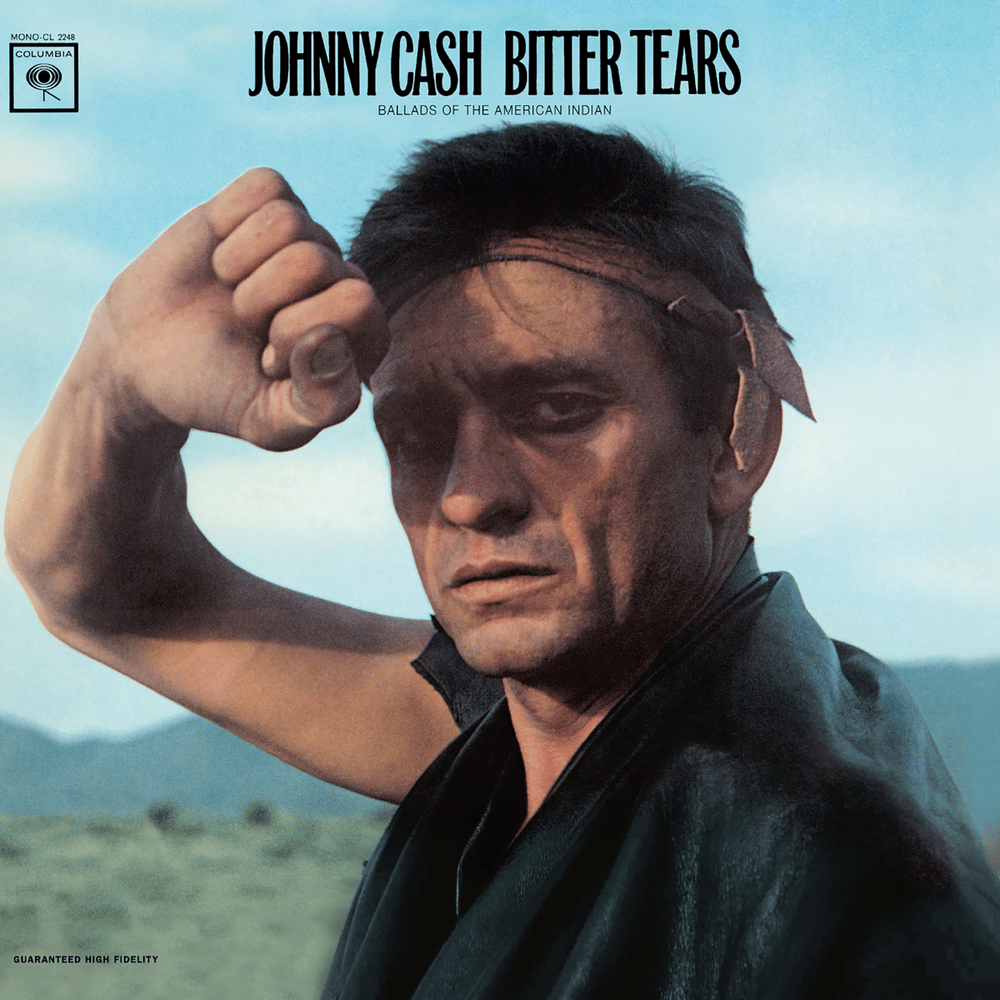
{"song_id": 11772471, "meaning": "Johnny Cash's \"Apache Tears\" isn't just a song; it's a stark, haunting elegy etched in the dust of the American West. It's a landscape littered with the physical and emotional debris of conquest, injustice, and profound loss. The 'Apache tears' themselves—smooth, black obsidian—become crystallized metaphors for the grief and suffering embedded in the land. Cash doesn't shy away from the brutal realities of the past, invoking the 'mascalero death moans' and the 'young squaw' tortured under the influence of 'whiskey law.' These aren't romanticized visions of cowboys and Indians; they are unflinching glimpses into the violence and exploitation that shaped the nation.
The song's power lies in its refusal to assign easy blame. While the atrocities committed against Native Americans are undeniable, Cash acknowledges the shared human experience of fear and bloodshed. 'The young men, the old men, the guilty and the innocent / Bled red blood and chilled alike with fears,' he sings, suggesting that both colonizer and colonized were trapped in a cycle of violence fueled by greed and misunderstanding. This complexity elevates \"Apache Tears\" beyond a simple protest song; it's a meditation on the enduring consequences of historical trauma.
Ultimately, \"Apache Tears\" is a plea for remembrance and respect. Cash implores the listener to 'not raise the dust when you pass here,' acknowledging that the land is a sacred burial ground, both literally and figuratively. The singer becomes a keeper of these memories, holding the 'Apache tears' as a testament to the suffering that cannot be forgotten. The song meaning resides in its unflinching portrayal of historical pain and its quiet call for empathy in the face of enduring injustice. It is a testament to the power of music to confront uncomfortable truths and to honor the voices of those who have been silenced."}
 View Artist