Song Meaning
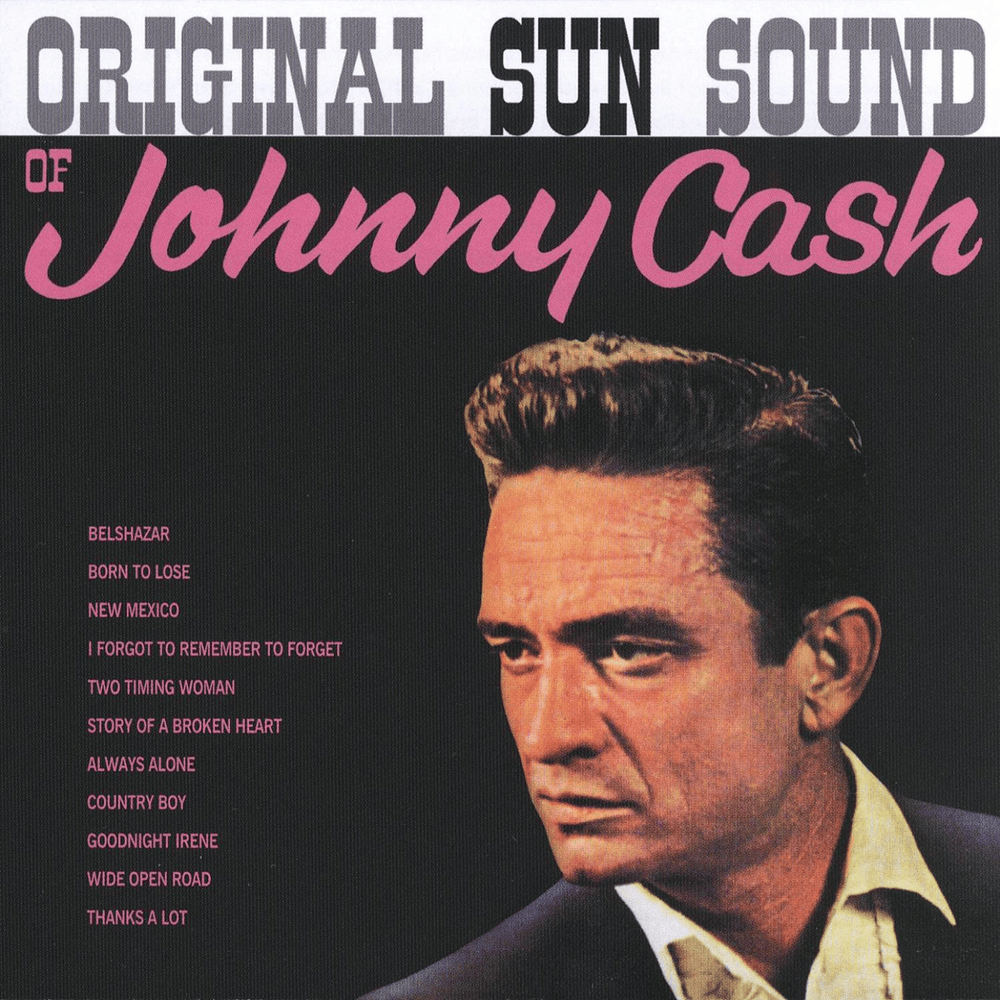
{"song_id": 11773091, "meaning": "Johnny Cash's \"Always Alone\" isn't just a lament; it's a stark portrait of existential isolation, rendered in the simple, devastating language that defined the Man in Black. The song's power lies not in complex metaphors or soaring melodies, but in its brutal honesty. The opening lines, \"Always alone, alone and blue / I've got no one to tell my troubles to,\" immediately establish a landscape of utter desolation. This isn't just heartbreak; it's a void where even the solace of shared grief is absent. The repetition of \"alone\" hammers home the inescapable nature of this solitude. It's a prison built not of walls, but of absence. The lyrics analysis reveals the singer’s profound feeling of abandonment.
The second verse introduces the catalyst for this despair: a lost love. But even here, Cash avoids melodrama. The lines \"The day you left you broke my heart / I need you so but we're so far apart\" are delivered with a weary resignation, suggesting that this heartbreak isn't a singular event, but a confirmation of a pre-existing condition. The phrase \"You didn't care I should have known\" hints at a deeper psychological wound, a sense of unworthiness that predates this specific relationship. This isn’t merely about being left; it’s about the crushing realization that one's deepest fears of abandonment have been realized.
The final verse offers no resolution, no glimmer of hope. Instead, it doubles down on the theme of perpetual loneliness. The image of the departed lover's \"smiling face\" appearing in dreams only to vanish upon waking amplifies the cruel irony of memory. The final line, \"I know that I must always be alone,\" is not a statement of fact, but a surrender. It's the sound of a spirit broken, accepting its fate. The song meaning, therefore, transcends simple heartbreak; it delves into the core of human vulnerability and the fear that some wounds may never heal, some voids never be filled. The stark simplicity of the lyrics becomes a mirror, reflecting the listener's own moments of profound isolation and the universal human fear of being truly, utterly alone."}
 View Artist