Song Meaning
Johnny Burnette's "The Poorest Boy In Town" isn't just another rockabilly lament; it's a masterclass in emotional economics. The song shrewdly unpacks the fallacy of equating material wealth with genuine happiness, presenting a narrator flush with cash and a set of wheels, yet utterly bankrupt in spirit. The hook isn't just catchy; it's a brutal paradox. He's got the trappings of success, but the absence of love renders it all worthless, transforming him into "the poorest boy in town." This is a primal scream from the heart of a man who's discovered that some currencies can't be quantified.
The lyrics subtly underscore the hollowness of his possessions. New records, typically a source of joy, now amplify his solitude. Burnette doesn't just state his unhappiness; he shows us how the things that once brought pleasure now serve as constant reminders of his loss. This echoes a common psychological phenomenon: the hedonic treadmill. We adapt to new levels of wealth or comfort, and our baseline expectations shift, leaving us constantly chasing a satisfaction that remains just out of reach. The car and the records become symbols of a futile attempt to fill the void left by lost love.
Ultimately, "The Poorest Boy In Town" hinges on a powerful reversal. The narrator explicitly states he doesn't need money or material possessions; all he craves is the assurance of reciprocated affection. This isn't just a plea for love; it's a re-evaluation of his entire value system. He realizes his emotional well-being is inextricably linked to the woman he's lost, and her love is the only thing that can restore his sense of worth. It's a raw, vulnerable confession that transcends the simple rock-and-roll structure, elevating the song to a poignant commentary on the true meaning of richness.
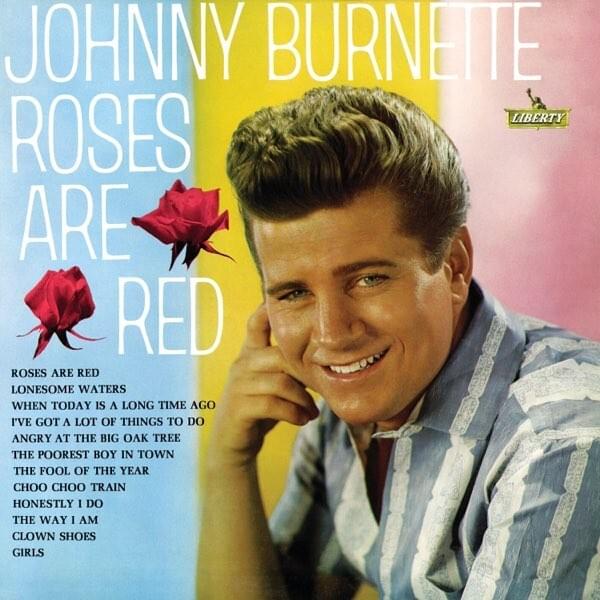
 View Artist