Song Meaning
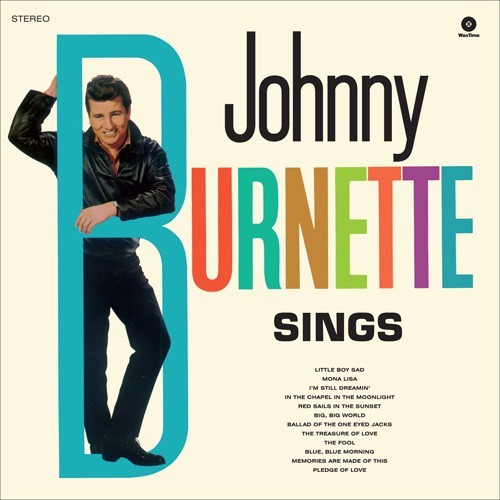
Johnny Burnette's "In the Chapel In the Moonlight" isn't just a vintage serenade; it's a poignant study in longing and the idealized fantasy of love. The titular chapel, bathed in moonlight, becomes less a physical place and more a carefully constructed stage for a dream wedding, a recurring loop of hope against the odds. The lyrics, simple on the surface, reveal a deeper emotional architecture. The repeated invocations of organ music, roses, and whispered vows paint a picture of matrimonial bliss, but the persistent "How I'd love to" betrays the underlying yearning and potential unfulfillment. It’s the difference between imagining and experiencing, a tightrope walk between optimism and the very real possibility of heartbreak.
The song's emotional weight comes not just from the stated desire, but the quiet desperation simmering beneath. The bridge, with its stark imagery of roses turning to ashes and organs rusting, introduces an element of temporal decay. Yet, even as these symbols of love and commitment crumble, the narrator pledges unwavering devotion, vowing to remain in the chapel until the moonlight itself turns to dust. This isn't just romantic; it's bordering on obsessive, hinting at a potential imbalance in the relationship, or perhaps even a relationship that exists solely in the narrator’s mind. This creates a tension, a sense that the idyllic scene is built on a foundation of potentially unsustainable expectation.
Ultimately, “In the Chapel In the Moonlight,” when subjected to a deeper lyrics analysis, exposes the vulnerability inherent in projecting our deepest desires onto another person. The repeated imagery of the choir singing "Oh promise me" only amplifies the potential for disappointment. Burnette’s delivery, while seemingly straightforward, carries with it a subtle undercurrent of melancholy, suggesting that the speaker is acutely aware of the fragility of their dream. The song then becomes a testament to the power of hope, yes, but also a cautionary tale about the dangers of building castles in the air, especially when the foundation is built on moonlight and whispers.
 View Artist