Song Meaning
Johnny Bristol's "It Don't Hurt No More" isn't just a declaration of post-breakup resilience; it's a carefully constructed monument to emotional self-defense. The repetition of the chorus, "It don't hurt no more / Honey when love is gone," functions less as a boast and more as a mantra, a psychological shield erected against the lingering sting of heartbreak. Bristol isn't necessarily claiming the pain never existed, but rather that he's actively neutralized its power. He's moved beyond denial and into a state of fortified acceptance. The phrase 'when love is gone' also suggests an acknowledgment that love's absence, not necessarily the breakup, is the source of pain, and that he's found a way to cope with that absence.
The lyrics in the verses, though somewhat incomplete, offer glimpses into this process of emotional hardening. References to "stones" and "knives" represent the lingering barbs and accusations that often accompany a relationship's demise. However, Bristol asserts he's built a "shield" against them. This imagery suggests a conscious effort to disassociate from the negativity and prevent it from penetrating his emotional core. He's not merely ignoring the pain; he's actively deflecting it. The lines hint at a transition – a crossing of "that line" where the ex-lover's actions or opinions simply cease to matter.
Ultimately, the song meaning of "It Don't Hurt No More" resides in this act of self-preservation. It's about reclaiming emotional sovereignty after a period of vulnerability. The repetition of the chorus reinforces this idea, each iteration serving as a reminder of the progress made and the strength gained. While the instrumental break provides space for reflection, it also signifies a moment of quiet triumph, a moment to relish the newfound peace achieved through emotional fortitude. It's an anthem for anyone who has ever had to rebuild themselves after love's departure.
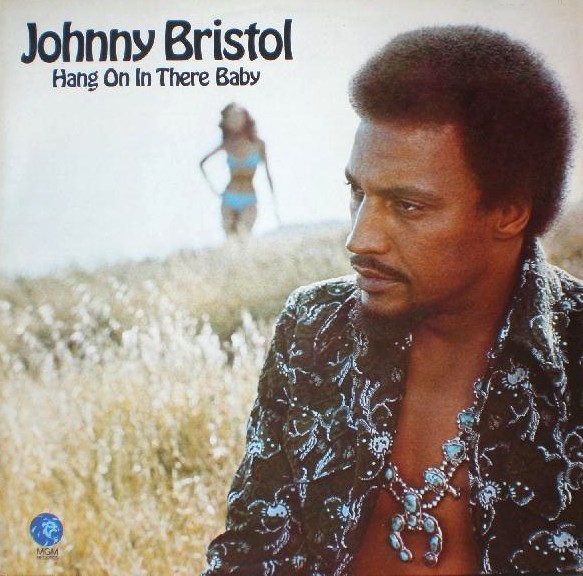
 View Artist