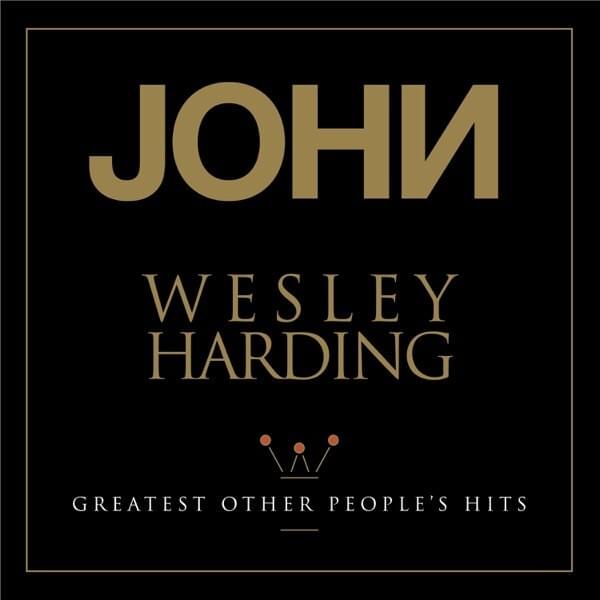
Song Meaning
John Wesley Harding's "Words Words Words" operates as a deceptively simple, yet profound, meditation on the slipperiness of language and its impact on belief, identity, and societal structures. The repetition of "Words, words, words" isn't just lyrical filler; it's a deliberate echo chamber, highlighting the sheer volume of verbiage that constantly bombards us, demanding interpretation and shaping our realities. The song's genius lies in its stark juxtaposition: the sacred and the secular, the personal and the political. By referencing both the Bible and the Declaration of Independence, Harding suggests that all foundational texts – regardless of their origin or intent – are ultimately subject to the same interpretive flaws. The truth, he implies, isn't inherent in the words themselves, but rather in our ability to truly *understand* them, to internalize their meaning beyond rote recitation. This is not a problem of information, but a problem of comprehension and lived experience.
The refrain, a wistful plea for understanding, cuts to the core of the song's meaning. It's a lament for a life potentially transformed by genuine engagement with language. The crucial distinction here is between "pronouncing" and "understanding." It is easy to say the words, to give them lip service, but Harding zeroes in on the psychological gap between surface-level articulation and deep, transformative comprehension. It's not enough to simply parrot the scriptures or political ideals; we must actively grapple with their complexities and contradictions. Only then can we hope to affect real change, both within ourselves and in the world around us. The yearning in Harding's voice speaks to a universal desire to break free from the confines of empty rhetoric and unlock the true potential of language.
The final verse subtly shifts the focus outward. While earlier refrains centered on personal transformation, the last asks, "Would not this world be changed?" This broader scope implies that individual understanding has the power to ripple outwards, influencing collective consciousness and shaping societal norms. Harding suggests that our failure to truly grapple with language has far-reaching consequences, contributing to a world riddled with misunderstanding, conflict, and stagnation. Ultimately, "Words Words Words" is a call to action, urging us to become more conscious consumers and interpreters of the language that surrounds us. It is a reminder that the power to shape our realities lies not just in the words themselves, but in our ability to truly understand them.