Song Meaning
John Wesley Harding's "Sussex Ghost Story" isn't just a tale of murder and remorse; it's a chilling exploration of guilt's inescapable gravity. The song's narrator, a confessed wife-killer acquitted by law, attempts to outrun his past, seeking redemption in a new town and a fresh romance. He believes he can bury his wickedness under the guise of a reformed life, a common psychological defense mechanism known as 'reaction formation,' where unacceptable impulses are converted into their opposite. He finds love with the schoolteacher, a beacon of innocence, perhaps hoping her purity will cleanse his soiled soul.
However, Harding masterfully subverts this naive aspiration. The idyllic summer romance curdles with the onset of winter, mirroring the re-emergence of the narrator's buried trauma. The schoolteacher's sudden, inexplicable rejection exposes the futility of his attempts at self-deception. Her chilling words, "It is our anniversary... and you cannot run away from me," coupled with the glint of a knife, suggest a supernatural reckoning. Is she a vengeful spirit, the ghost of his murdered wife returned to exact justice? Or is she merely a manifestation of his own conscience, the embodied weight of his unforgivable act?
The genius of "Sussex Ghost Story" lies in its ambiguity. The song doesn't offer easy answers. Instead, it delves into the psychological torment of a man haunted not just by a potential ghost, but by the inescapable specter of his own actions. The final plea for his life underscores the ultimate truth: some sins can never be truly escaped, and the past, like a persistent ghost, will always find a way to collect its due. The 'anniversary' mentioned in the lyrics is ambiguous enough to suggest the death date of both wives, and the narrator has, in effect, remarried his first wife, and is doomed to repeat his crime. This is not a ghost story, but a story of psychological obsession.
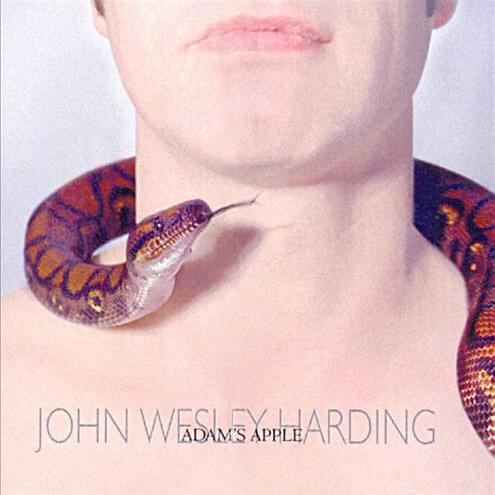
 View Artist