Song Meaning
John Wesley Harding's "Poor Heart" isn't just a lament; it's a brutal self-assessment delivered with the precision of a seasoned surgeon. The song meaning revolves around confronting a central organ, both literally and metaphorically, that has seemingly led the speaker astray. The repetition of "Poor heart" acts as both a term of endearment and a castigation, suggesting a complex relationship between the singer and their own emotional core. It’s an almost adversarial dynamic, questioning the heart's motives and capabilities. Is it naive? Is it arrogant? Is it simply…failing?
The lyrics paint a portrait of exhaustion and resignation. Phrases like "Dim the light / There's no respite for you" evoke a sense of utter depletion, a feeling that the heart has been through too much and can no longer offer solace or guidance. The litany of "Poor mouth, poor eyes, poor soul, poor mind, poor start" expands the scope of the heart's failure, implicating the entire self. It's not just the heart that's suffering; it's a systemic breakdown, a collapse of the entire being. The song subtly acknowledges the interconnectedness of our emotional and cognitive states, highlighting how a wounded heart can poison the whole system.
But within this bleak landscape, a glimmer of defiance emerges. The line "Nothing's done / Till it is sung / Poor heart" hints at the power of expression, the possibility of finding catharsis through art. Even in its "poor" state, the heart still has a role to play, a story to tell. This final verse transforms the song from a simple pity party into a testament to resilience, a recognition that even broken hearts can find a voice and perhaps, in doing so, begin to heal. It’s a quiet, almost desperate, assertion of agency in the face of overwhelming emotional distress.
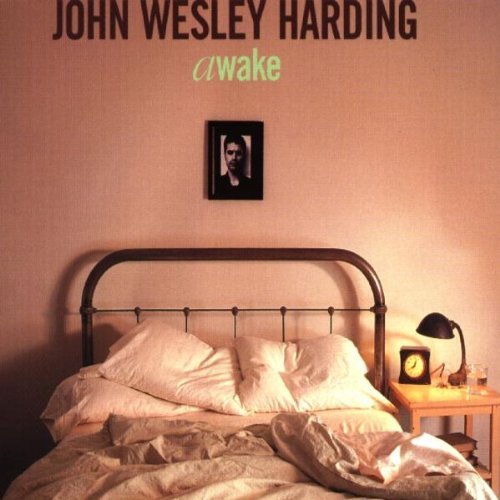
 View Artist