Song Meaning
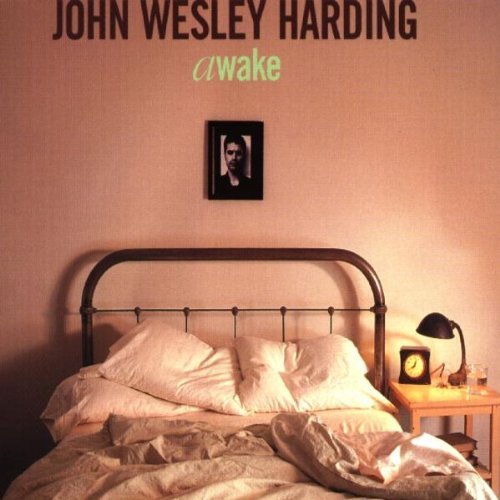
John Wesley Harding's "Good Bye (Late O'Clock)" isn't a goodbye at all; it's the ragged, disoriented gasp of someone surfacing from psychic depths. The repetition isn't hypnotic; it's the verbal tic of a mind struggling to reassemble itself after a harrowing experience. The near-absence of lyrical content beyond the assertion "I just woke up" is the point. What matters isn't the narrative of the bad dream, but the raw, visceral *act* of waking. It's Beckettian minimalism applied to the universal experience of night terrors and the relief of their ending. The parenthetical echoes—"(Just woke up)"—suggest a fragile hold on reality, a lingering doubt about whether the nightmare truly released its grip.
The song's power lies in its relentless focus on that liminal state between sleep and consciousness. It's the sonic equivalent of blinking against harsh sunlight after being in total darkness. Harding uses the repetition to drill into the listener's psyche, forcing a confrontation with the disquieting feeling of disorientation that follows a truly disturbing dream. There's no clever metaphor or intricate storyline to decode; the song meaning resides purely in the feeling it evokes.
Ultimately, "Good Bye (Late O'Clock)" is a study in psychological starkness. It's a reminder that even the most mundane phrase can carry profound emotional weight when stripped bare and repeated with unwavering intensity. Harding isn't offering a complex narrative, but a pure, unfiltered glimpse into the vulnerable state of a mind struggling to re-enter the waking world. The ambiguity is deliberate, allowing each listener to project their own personal nightmares onto the song's skeletal framework.
 View Artist