Song Meaning
John Wesley Harding's "Anonymous 1916" isn't just a lament; it's a stark, emotionally eviscerating portrait of loss, layered with the debris of war. The repeated litany of lost possessions—rifle, bayonet, socks, razor—functions as a powerful metaphor for a deeper, more profound absence. The setting, implied by the title, casts a long shadow: 1916, the brutal heart of World War I. These aren't just misplaced items; they're fragments of a shattered identity, each loss chipping away at the speaker's sense of self. The "socks that you sent me / That lasted the whole winter through" carry particular weight, hinting at a connection to home, to warmth, to a love that sustained him through hardship.
The gradual escalation of loss is key. The speaker begins with the tools of war, then descends to the intimate items of personal care and comfort. This progression underscores the dehumanizing effect of conflict. It's not just about losing the means to fight; it's about losing the ability to maintain basic dignity, to feel human. The "four-by-two" and "hold all" represent the last vestiges of control, the final threads connecting him to a tangible reality. Their disappearance signals a complete unraveling.
Ultimately, the list of material losses serves as a smokescreen for the true, unbearable void: "Since I've lost you." The listener is left to imagine who 'you' is - a lover, a wife, a family. The simplicity of the language amplifies the emotional impact. It's a raw, unfiltered expression of grief, stripped bare of any romantic embellishment. "Anonymous 1916" is thus a devastating anti-war statement, focusing not on grand battles or political ideologies, but on the intimate, personal cost of conflict—the irreparable damage to the human heart.
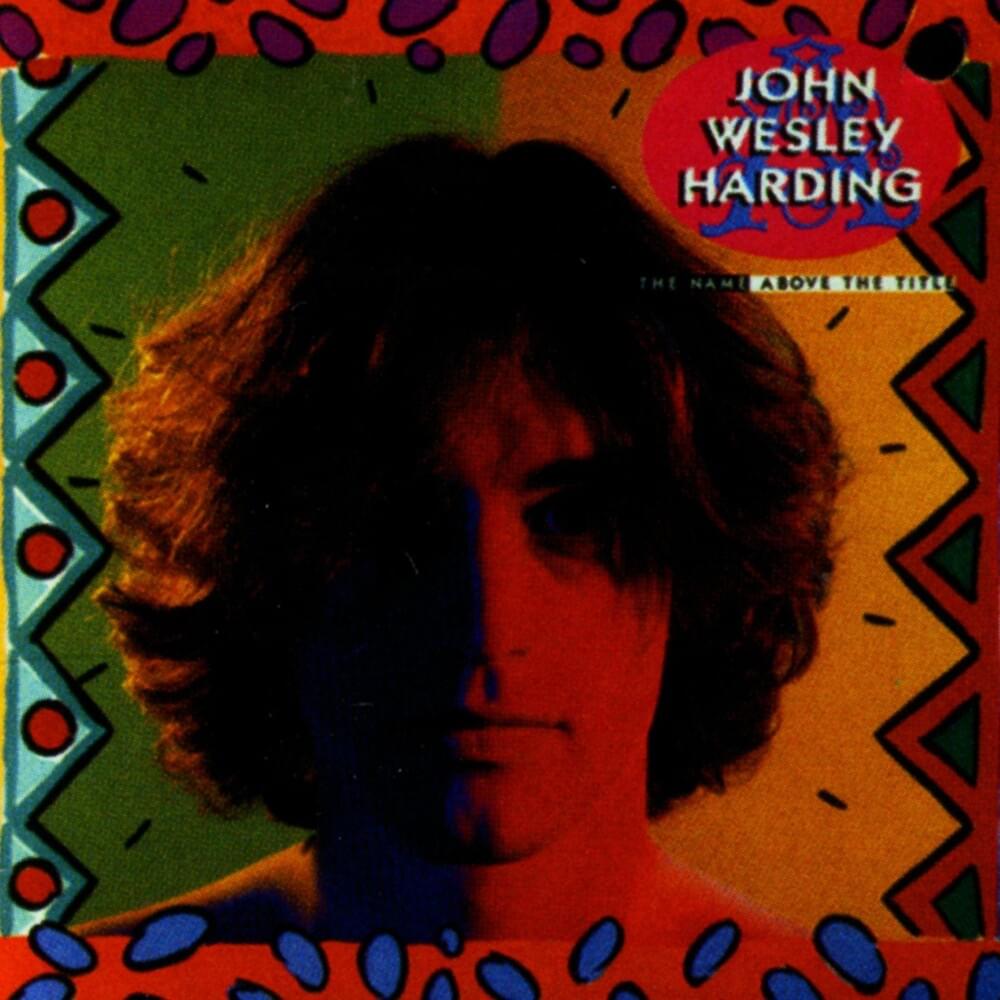
 View Artist