Song Meaning
The lyrics paint a stark contrast between external warmth and internal cold, setting a scene of personal desolation against a backdrop of global activity. While the sun shines on distant, diverse locations, the narrator experiences a harsh, isolating night on a ridge, with snowfall accumulating like a relentless burden. This immediate imagery establishes a profound sense of being cut off and overwhelmed, suggesting a personal winter that mirrors a difficult emotional state.
The core of the narrator's struggle appears to be an internal battle against deeply ingrained negative emotions. Phrases like "battered and ground down by wave upon wave" and "bitter envy and unremitting hate" point to a prolonged period of suffering. The most striking revelation is the narrator's self-directed animosity: "no one I hated more / Than the man that stands before you now." This admission shifts the focus from external circumstances to a profound self-loathing, indicating that the primary conflict is internal.
The turning point arrives with a sense of "humbled just in time." The "skull-sized castle" suggests a previous, perhaps arrogant or isolated, self-perception that has been dismantled. The "endless waves" that "ground me down to dust" are the same forces that previously battered the narrator, but now, stripped bare, there's a newfound capacity for freedom. This transformation from self-imprisonment to potential liberation is powerfully conveyed through the image of being "ground down to dust" only to "take to air."
This lyrical arc is effective because it grounds immense emotional turmoil in concrete, albeit metaphorical, imagery. The progression from external observation to internal confession, and finally to a state of potential release, feels earned. The raw admission of self-hatred, followed by the quiet triumph of humility and newfound freedom, resonates deeply, suggesting that true liberation often comes only after the complete dismantling of the self.
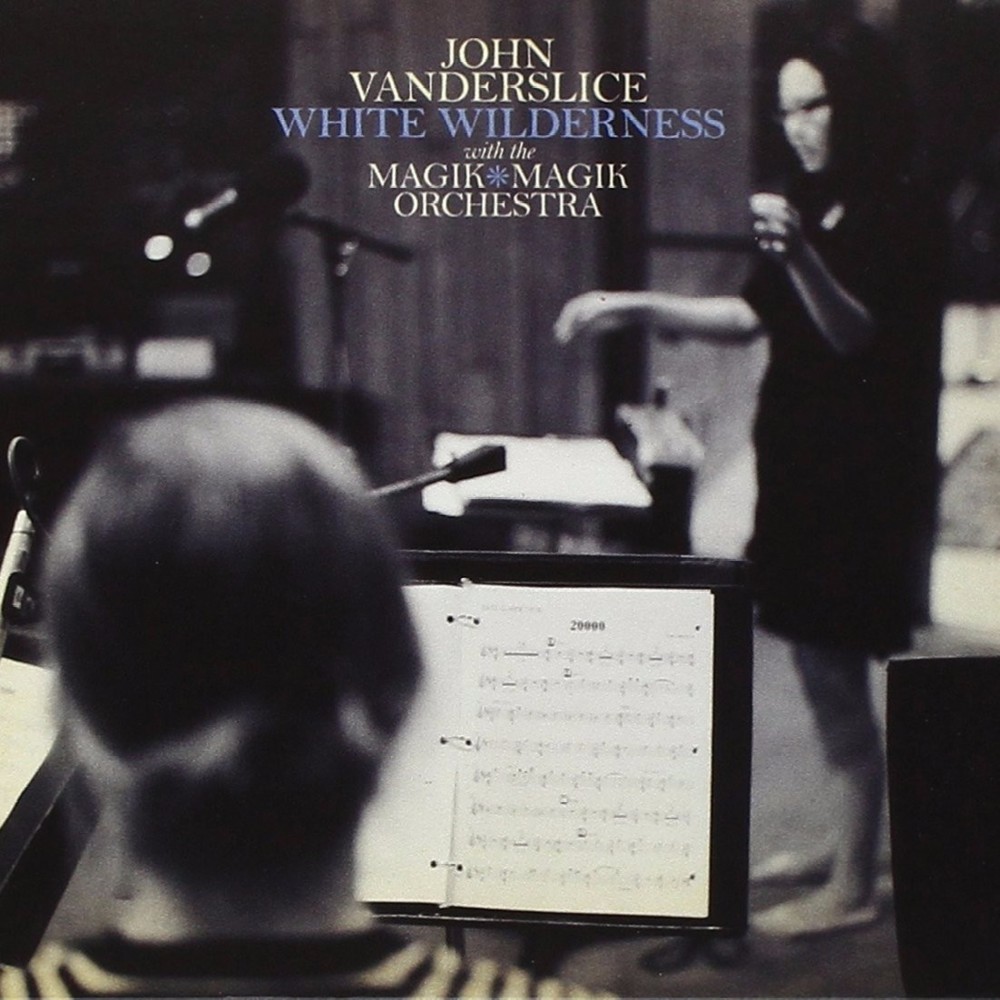
 View Artist