Song Meaning
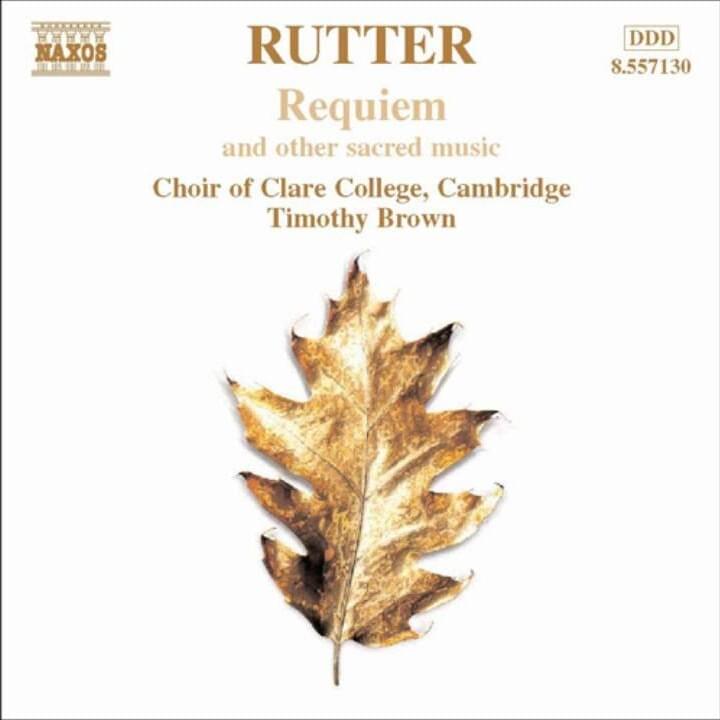
The lyrics weave a prayer for peace with stark reflections on human mortality. The repeated Latin phrase "Agnus Dei, qui tollis peccata mundi: dona eis requiem" acts as a solemn refrain, a plea for the "Lamb of God" to grant rest to the departed. This liturgical opening immediately sets a tone of somber contemplation, invoking a spiritual context for the earthly struggles that follow.
The central tension arises from the juxtaposition of divine mercy and human frailty. The lines "Man that us born of a woman / Hath but a short time to live, and is full of misery" paint a bleak picture of existence, emphasizing its brevity and suffering. This is powerfully reinforced by the simile "cut down like a flower," highlighting the ephemeral nature of life and its vulnerability to sudden demise. The narrator appears to grapple with this inherent precariousness, questioning where solace can be found.
The most striking element is the abrupt shift to a direct scriptural quote: "I am the resurrection and the life, saith the Lord." This declaration offers a profound counterpoint to the preceding despair, introducing the concept of eternal life through faith. It transforms the lament for the dead into a potential affirmation of spiritual continuity, suggesting that belief offers an escape from the finality of death described earlier.
This lyrical construction is effective because it moves from a universal expression of grief and existential dread to a specific, hopeful theological promise. The contrast between the fleeting, "shadow"-like existence and the enduring promise of "never die" creates a powerful emotional arc. The lyrics ultimately suggest that while earthly life is fraught with suffering and inevitably ends, spiritual faith offers a profound and lasting peace, a requiem that transcends physical death.
 View Artist