Song Meaning
The lyrics paint a raw, internal struggle after a relationship's end, marked by a sense of inadequacy and lingering pain. The opening lines, "Waste of breath / Falling stars no one will see," immediately establish a tone of futility and unseen efforts, hinting at a relationship that was perhaps doomed or unacknowledged. The narrator confesses to trying too hard to grasp something the other person was offering, suggesting a disconnect or misinterpretation that now feels like a confession.
The core tension lies in the narrator's profound self-doubt, directly contrasted with the perceived ease and grace of the person they're addressing. Phrases like "Dull and never will be good enough for you" and the stark image of "wood and leather" against someone who "can dance" highlight a deep-seated feeling of being fundamentally mismatched and insufficient. This feeling is amplified by physical sensations, "bruising feet" and "marks they kill," suggesting the emotional toll the relationship has taken.
The most striking aspect is the narrator's desperate attempt to erase the past, seeking "erasers / To take out these scars." Yet, this desire for oblivion is immediately undercut by the poignant realization, "I can't forget you girl and that's the only evidence." This paradox—the inability to forget being the sole proof of a connection that the narrator feels compelled to deny or undo—is the emotional linchpin. The repeated refrain, "Good enough for you," hammers home the persistent, unresolved insecurity.
This writing is effective because it captures the messy, often contradictory nature of heartbreak and self-recrimination. The specific, visceral images of physical clumsiness and emotional scarring ground the abstract feelings of inadequacy. The final lines reveal that the very act of trying to forget, and failing, becomes the undeniable proof of the relationship's impact, a painful testament to what was lost and the narrator's enduring struggle to reconcile with it.
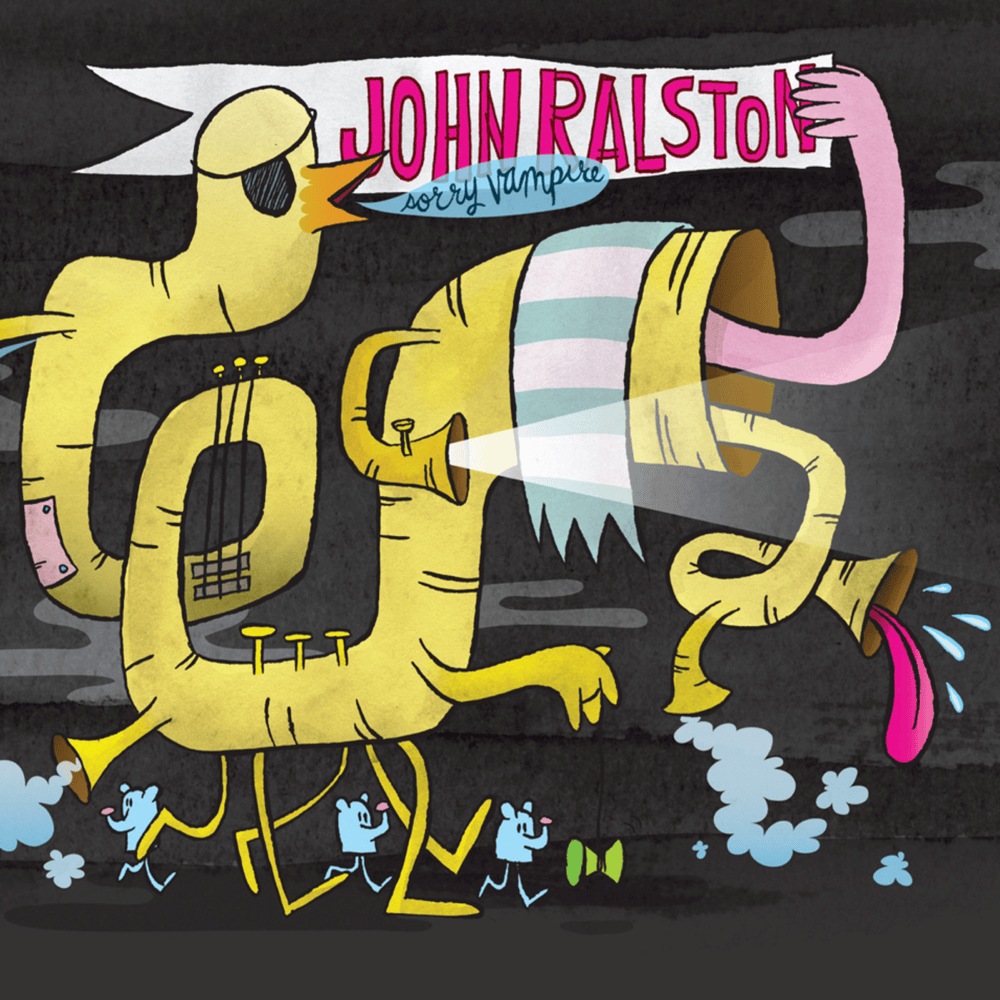
 View Artist