Song Meaning
The narrator’s overwhelming desire to escape reality is palpable from the jump. They don't want to "ever wake up," preferring to "close my eyes and hide from my life." This isn't just a fleeting wish; it's a deep-seated exhaustion with existence itself. The immediate plea, "it's not your fault," sets up a complex dynamic of blame and absolution.
The core tension lies in the narrator’s internal struggle, amplified by the perceived impact of another person's words. Accidental remarks "cut ribbons of me to fly on parade," suggesting a profound, almost performative self-destruction triggered by seemingly minor comments. The repeated assertion that "it's not your fault" becomes a desperate attempt to shield someone else from the narrator's own unraveling, even as the lyrics detail how those words contributed to the pain.
The imagery of the "rope" is particularly striking. The narrator recounts being told "the rope wouldn't break," only to find it "crumpled on the floor," a "pretty mistake." This contrast between the assurance given and the disastrous reality underscores a feeling of betrayal, not necessarily malicious, but devastating nonetheless. The choice to call the broken rope a "pretty mistake" adds a layer of dark irony, highlighting the narrator's detachment and the absurdity of the situation.
Ultimately, the lyrics resonate because they capture the isolating experience of profound despair. The narrator grapples with the feeling of being overwhelmed by life's "bad luck" and the precariousness of their situation, symbolized by the broken rope. The repeated refrain, "it's not your fault," serves as a poignant, if perhaps self-deceptive, attempt to absolve others while drowning in personal catastrophe, leaving a lingering sense of unresolved pain and resignation.
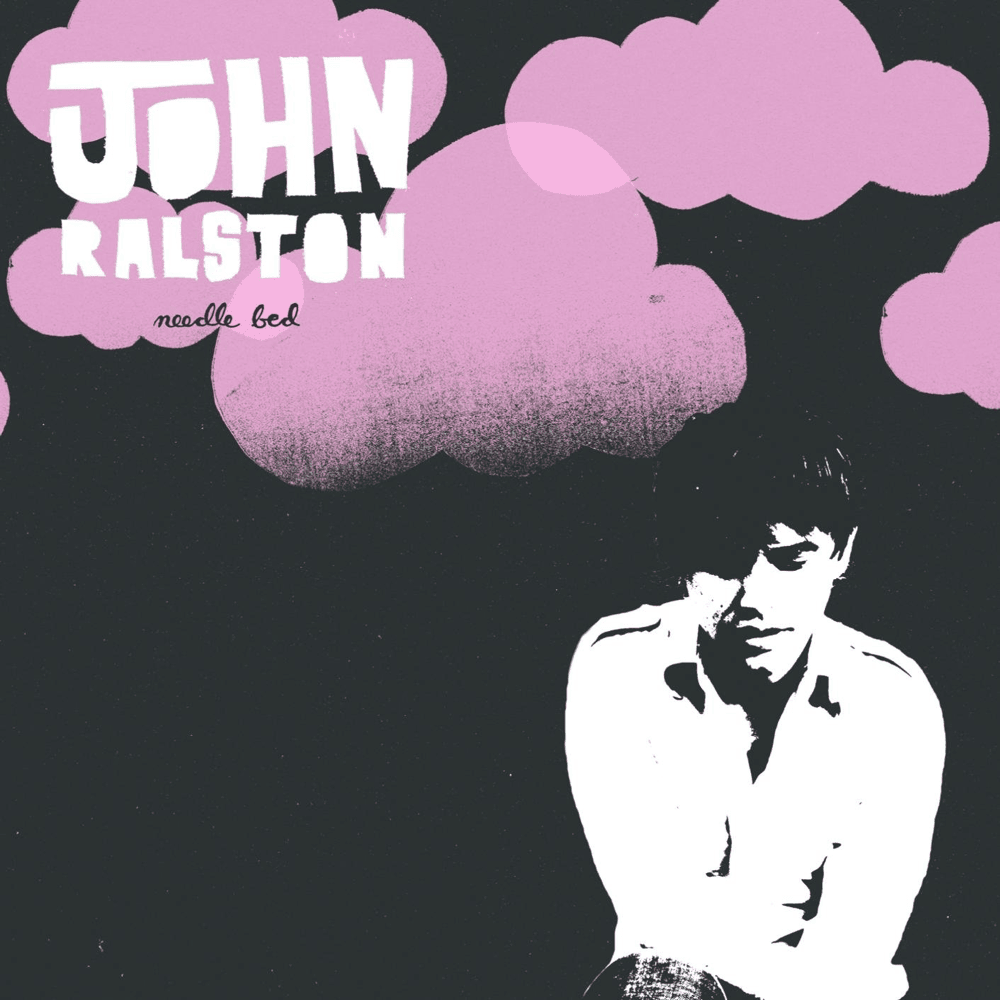
 View Artist