Song Meaning
The lyrics paint a picture of quiet desolation, starting with the stark imagery of "clocks and spoons, empty rooms" on a rainy night. This sets a tone of stillness and perhaps loneliness, a feeling amplified by the simple act of "turnin' out the light" as a way to conclude the day. It’s a scene of passive resignation, where the environment mirrors an internal state of emptiness.
The central tension emerges in the chorus, a dramatic and almost violent act of "shoot[ing] the moon right between the eyes." This aggressive gesture is immediately juxtaposed with a desire for escape, a retreat to a "sunny countryside." The narrator is caught between a destructive impulse and a longing for peace and warmth, suggesting an internal conflict where they are trying to obliterate something unpleasant while simultaneously seeking refuge.
The most striking element is the evolving sentiment towards the "sunny countryside." Initially, the narrator is "sending most of me" there, then "keeping most of me" there, and finally, in the outro, they are "screaming, 'Take me back to sunny countryside.'" This progression reveals a growing desperation and a realization that the escape they sought or initiated isn't fully satisfying, or perhaps they've lost the ability to fully inhabit it, leading to a frantic plea for its return. The repetition of "clocks and spoons, empty rooms" in the outro brings the song full circle, reinforcing the cyclical nature of their discontent.
This lyrical structure effectively conveys a sense of being trapped, not just by external circumstances like the rain, but by an internal struggle. The violent imagery of shooting the moon, coupled with the yearning for a pastoral ideal, creates a powerful emotional resonance. The shift from sending and keeping to screaming for return highlights a profound dissatisfaction, making the narrator's plight feel palpable and deeply felt.
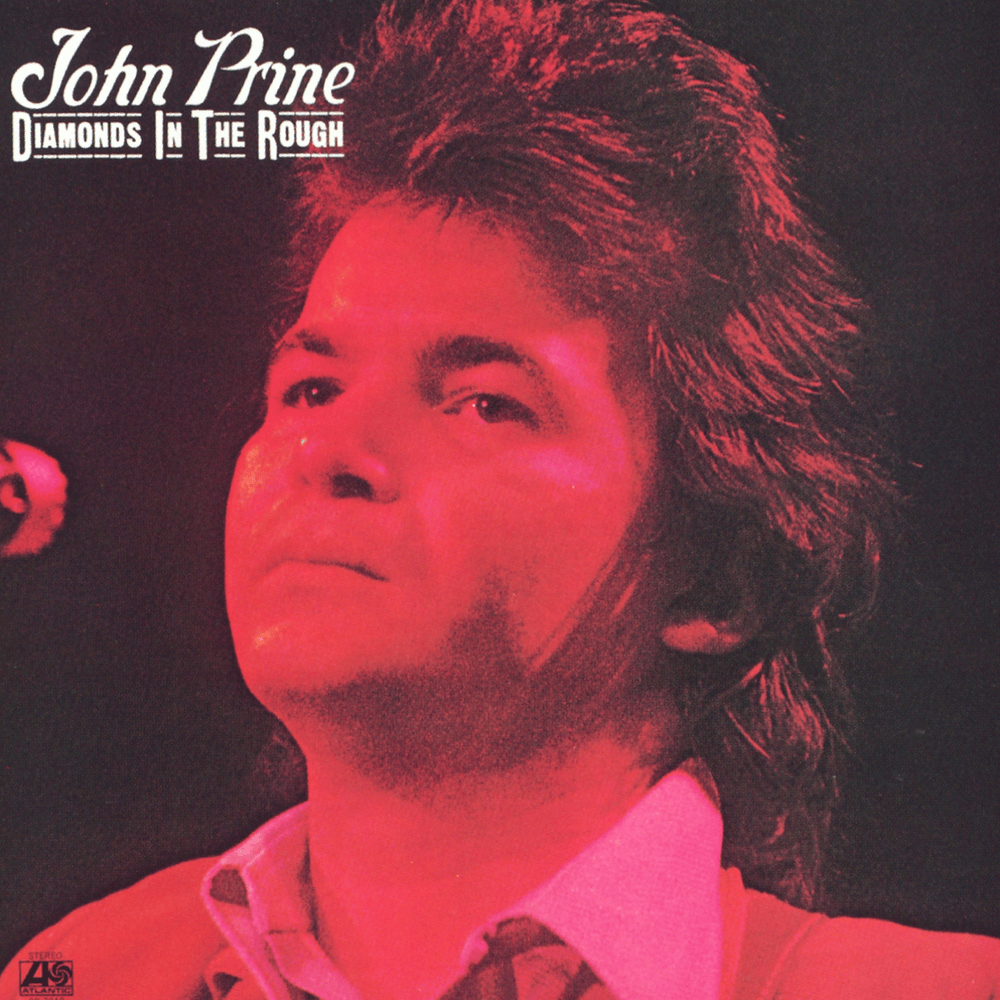
 View Artist