Song Meaning
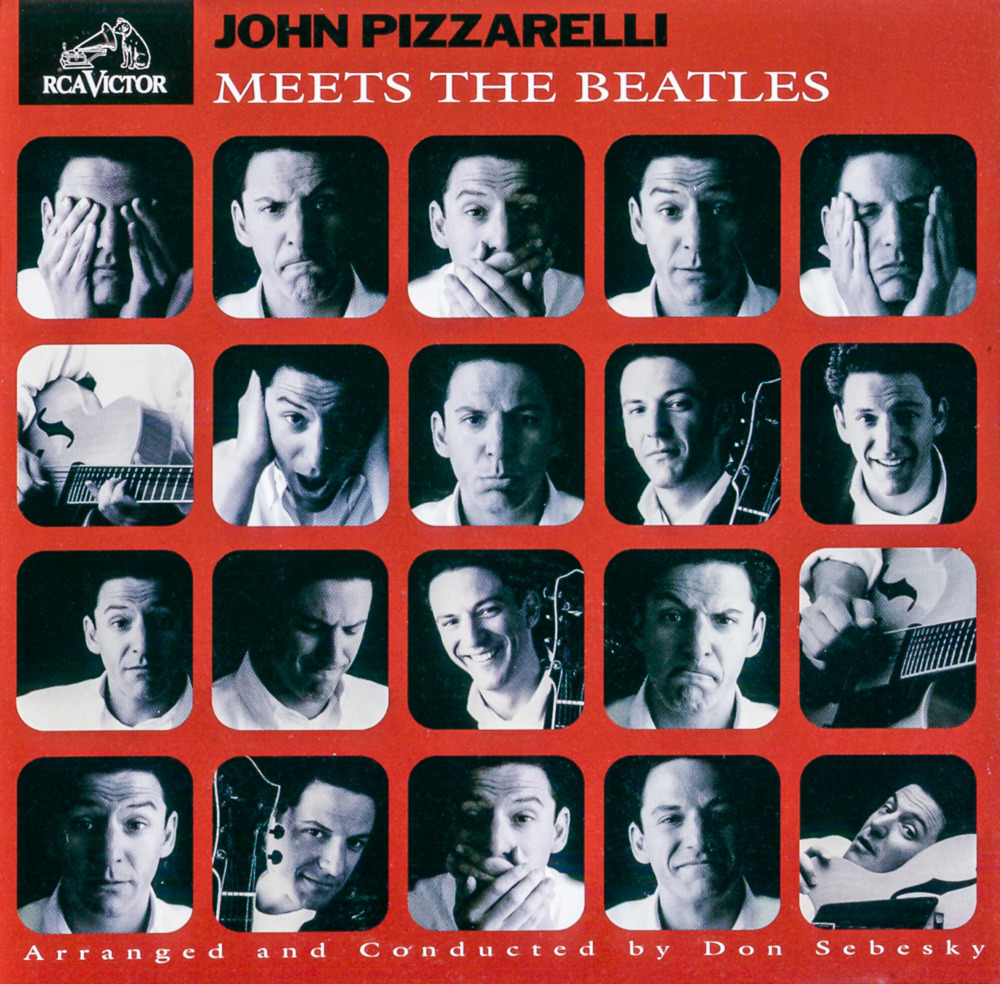
John Pizzarelli's interpretation of "The Long and Winding Road" isn't just a cover; it's a masterclass in subtly unpacking the original's emotional core. The lyrics, famously penned by Paul McCartney, paint a picture of yearning and persistent, almost cyclical, return. Pizzarelli’s rendition highlights the inherent tension: the road, a metaphor for life's journey and romantic pursuit, promises connection but delivers only the speaker back to the starting point of longing. The 'door' becomes a symbol of elusive intimacy, forever just out of reach. The raw ache of unrequited emotion resonates deeply, tapping into the universal human experience of wanting what seems perpetually unattainable.
Where the original can be interpreted as a broader reflection on life’s unpredictable path, Pizzarelli's jazz-infused delivery adds a layer of personal vulnerability. The 'pool of tears' and the repeated plea, 'Lead me to your door,' underscore a sense of abandonment and desperate hope. The song meaning isn't simply about lost love; it’s about the psychological weight of being perpetually stuck in a loop of desire and disappointment. This interpretation acknowledges the potential for self-deception, the way we can convince ourselves that the 'long and winding road' will eventually lead to fulfillment, even when evidence suggests otherwise.
The repetition of phrases like 'long, long time ago' and 'don't keep me waiting here' amplifies the feeling of being trapped in the past. It speaks to the difficulty of moving on, the human tendency to cling to hope even in the face of prolonged absence or rejection. Pizzarelli's rendition, through its understated yet emotionally resonant delivery, transforms the song into a poignant exploration of the enduring power of hope, the sting of unfulfilled promises, and the psychological complexities of longing. It's a journey down that familiar road, acknowledging both its beauty and its inherent heartbreak.
 View Artist