Song Meaning
John Pizzarelli's rendition of "She Was Too Good To Me" is a masterclass in regret, painted with the muted tones of sophisticated heartbreak. The song meaning isn't just about lost love; it's about the acute awareness of having squandered something precious. The narrator isn't wallowing in simple sadness; he's grappling with the knowledge of his own shortcomings. The opening lines, "She was too good to me / How can I get along now," immediately establish a sense of bewildered loss, not just of a partner, but of a support system, a source of light and joy that he now realizes he took for granted. It's the kind of regret that bites hardest when the generosity of the other person is fully understood only in retrospect.
The lyrics hint at a dynamic where the narrator was perhaps less than deserving. Lines like "If I was mean to her / She would never say go away now" suggest a relationship imbalance, where her patience and unwavering support were met with less than ideal behavior on his part. The phrase "I was a king to her" is particularly telling; it implies a self-centeredness, a taking of her devotion as an entitlement rather than a cherished gift. This isn't just about missing someone; it's about confronting the uncomfortable truth of one's own past actions and the realization that those actions led to the present state of loneliness. The simplicity of the lyrics serves to amplify the rawness of the emotion.
The refrain, "She was too good to be true," initially reads as a romantic idealization, but within the context of the song, it takes on a darker, more self-critical meaning. It's not just that she was exceptional, but that her goodness was almost unbelievable, a miracle he failed to fully appreciate. Musically, Pizzarelli's interpretation likely leans into the melancholic undertones, using the jazz idiom to explore the complex emotions of loss and self-reproach. The song’s power lies in its ability to tap into a universal fear: the fear of realizing, too late, the value of what we had, and the haunting question of how we might have acted differently.
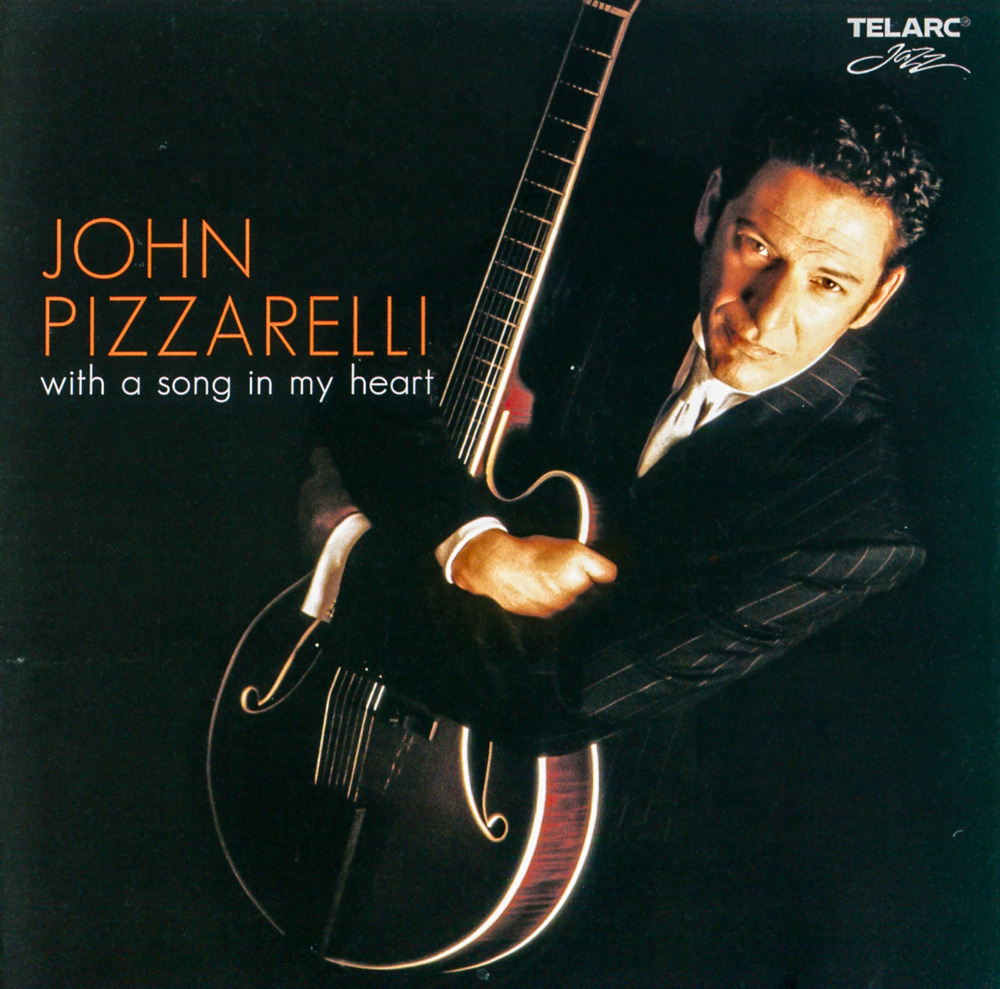
 View Artist