Song Meaning
John Pizzarelli's rendition of "Love" isn't just a stroll down memory lane; it’s a meticulously crafted monument to the very idea of affection itself. The ABCs of adoration, as presented here, are deceptively simple. The lyrics, built upon an acrostic, define love through its most recognizable traits: the gaze of admiration, the singularity of the beloved, the extraordinary nature of the feeling, and its surpassing power. But beneath the surface of this seemingly straightforward declaration lies a sophisticated understanding of love's fragility and immense value. The plea, "Take my heart and please don't break it," is not a sign of weakness, but a raw expression of vulnerability inherent in deep emotional investment. It acknowledges the potential for pain that coexists with the joy of connection.
The song's central assertion—"Love is all that I can give to you"—is both generous and subtly self-aware. It suggests a complete offering, a dedication of one's entire being to the beloved. However, it also hints at the limitations of what one person can provide. Love, in this context, is not a transactional exchange of material possessions, but a profound emotional commitment. The line "Love is more than just a game for two" stands as a direct counterpoint to cynicism, rejecting the notion that relationships are mere power plays or fleeting amusements. Instead, Pizzarelli's interpretation emphasizes the depth and seriousness of genuine connection.
The final, almost whispered, "That's almost true / For me and you" adds a crucial layer of complexity. It's a moment of stark honesty that prevents the song from becoming saccharine. The "almost" acknowledges the inherent imperfections and compromises that define real-world relationships. It suggests that the idealized vision of love presented earlier is aspirational rather than absolute. This subtle qualification transforms the song from a simple love letter into a thoughtful meditation on the nature of commitment, acknowledging both its profound beauty and its inevitable challenges. Pizzarelli's "Love" isn't just about the feeling; it's about the work, the vulnerability, and the enduring hope that sustains it.
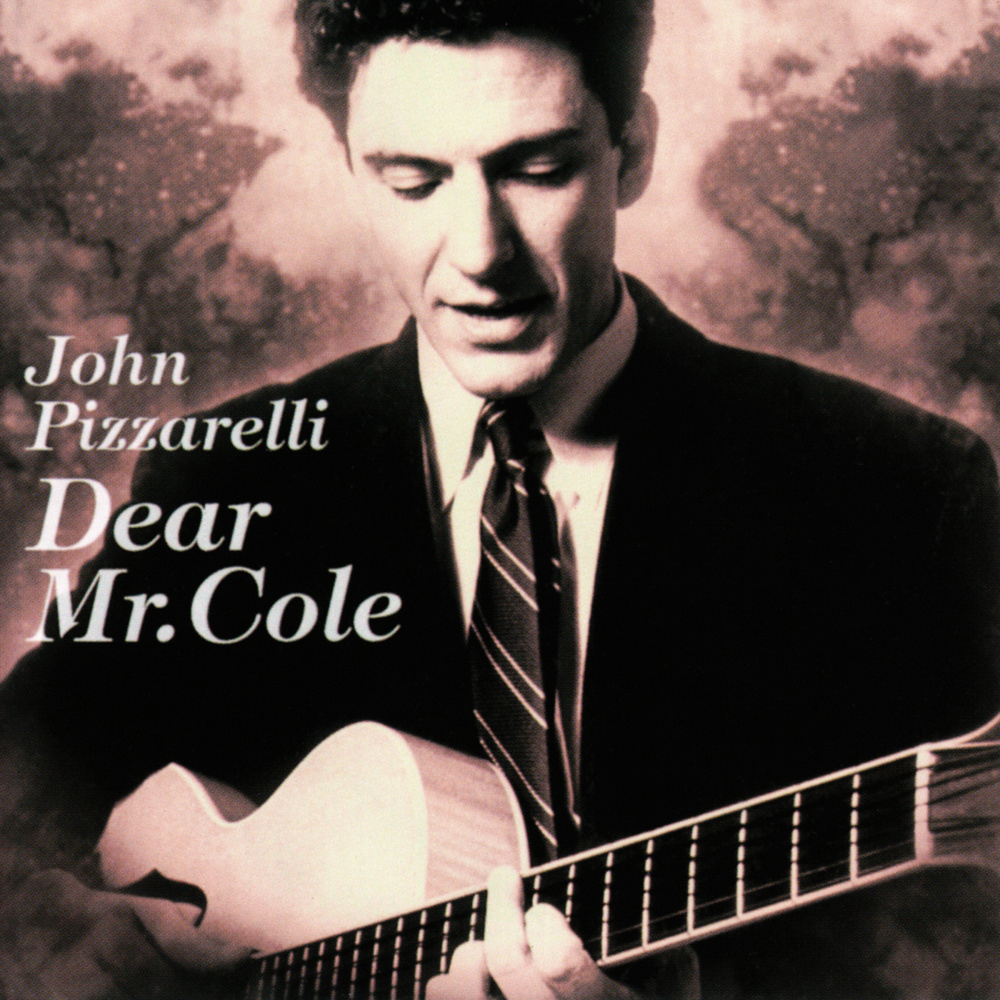
 View Artist