Song Meaning
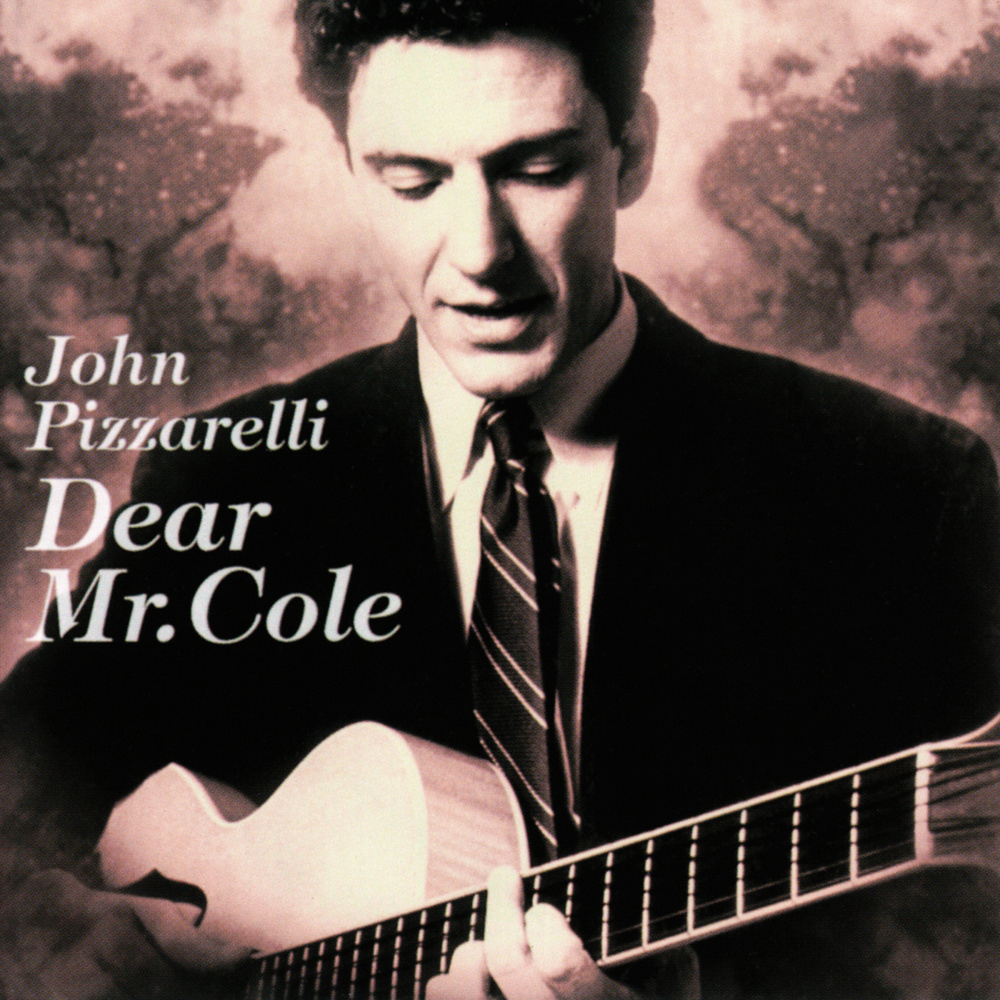
John Pizzarelli's rendition of "It's Only a Paper Moon" isn't just a charming jazz standard; it's a psychological study in codependency, wrapped in the comforting blanket of nostalgia. The lyrics paint a picture of a world meticulously constructed from artifice: a "paper moon," a "cardboard sea," a "canvas sky." These aren't just whimsical images; they represent a fragile reality, one that the speaker acknowledges as inherently fake. The genius of the song, and the potential darkness within, lies in the conditional: "it wouldn't be make believe / If you believed in me." The speaker is essentially saying, 'My fabricated world gains validity only through your belief.'
This dependency on external validation cuts to the core of human insecurity. The "honky-tonk parade," the "penny arcade" melody, and the "Barnum and Bailey world" – all symbols of cheap, fleeting entertainment – highlight the emptiness the speaker feels in the absence of the other person's love. These images evoke a sense of gaudy, hollow spectacle, devoid of genuine connection. The speaker's reality is contingent on the other person's willingness to suspend disbelief, to participate in the shared illusion.
Ultimately, "It's Only a Paper Moon" exposes the vulnerability inherent in seeking external validation. Pizzarelli's interpretation, while musically light and airy, hints at the underlying anxiety of relying on another person to legitimize one's existence. The song becomes a poignant exploration of the human need for connection, and the precariousness of building a world on anything less than genuine self-acceptance. The song meaning revolves around the idea that love can transform even the most artificial realities into something meaningful, but at the risk of complete collapse if that love is withdrawn.
 View Artist