Song Meaning
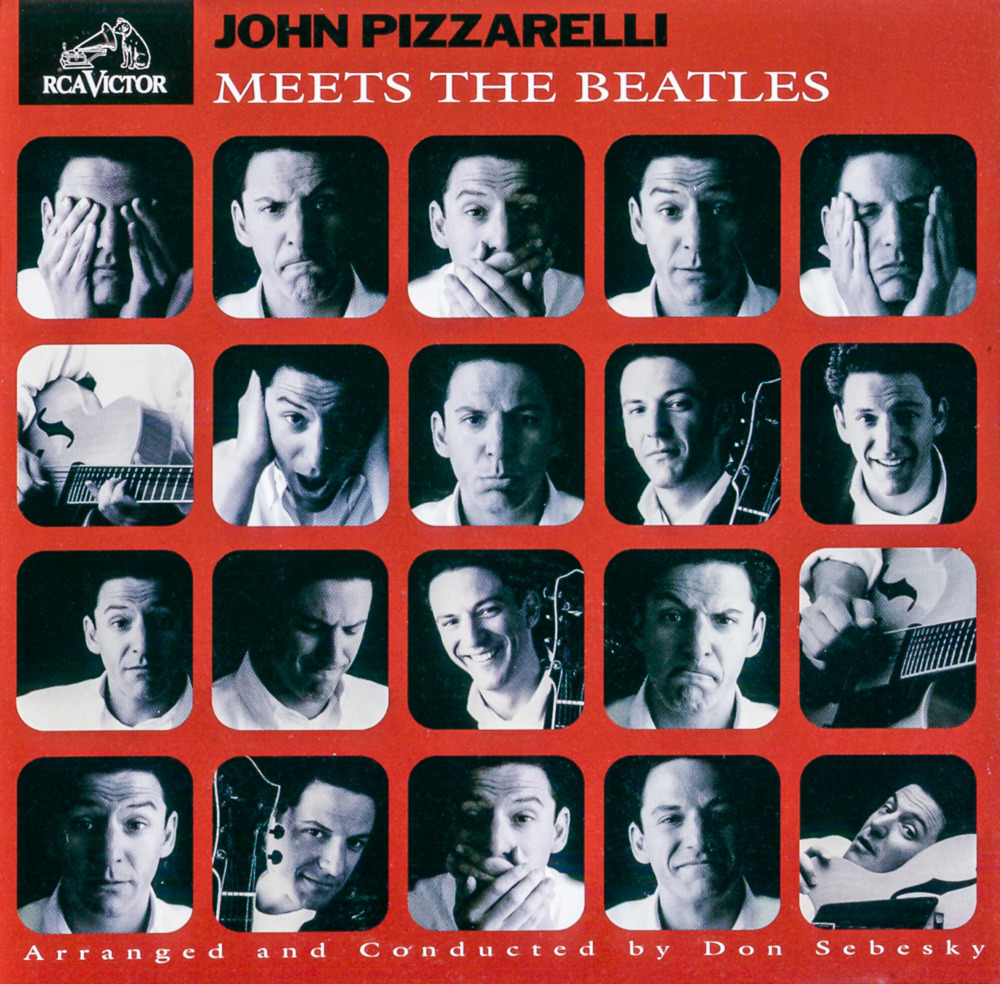
{"song_id": 14403984, "meaning": "John Pizzarelli's rendition of \"Get Back\" isn't just a breezy jazz cover; it's a sly commentary on identity and belonging. Stripped of its original rock swagger, the song's core narrative—the push and pull between personal ambition and the gravitational force of home—becomes starkly apparent. Jojo's desertion of Tucson for California's allure, and Loretta's gender-bending defiance, are framed not as acts of liberation, but as deviations needing correction. The repeated command to \"get back to where you once belonged\" carries a weight that transcends mere nostalgia; it suggests a societal discomfort with those who stray from prescribed paths.
The genius of Pizzarelli’s interpretation lies in its subtle irony. The upbeat tempo and smooth vocals create a veneer of lightheartedness, masking the underlying tension between individual aspiration and societal expectation. Loretta, in particular, embodies this conflict. She's perceived as transgressing social norms (“All the girls around her say she's got it coming”), yet she persists in her self-defined existence. The lines about Loretta's mother waiting, dressed in conventionally feminine attire, further emphasize the pressure to conform to traditional gender roles. In this context, \"Get Back\" transforms from a simple call to return home into a pointed observation on the constraints placed upon those who dare to redefine themselves.
Ultimately, John Pizzarelli's \"Get Back\" isn't simply about physical relocation; it's about the psychological struggle to reconcile personal identity with external expectations. The song meaning is embedded in this tension, forcing listeners to confront their own assumptions about belonging and the price of nonconformity. By framing the lyrics within a jazz idiom, Pizzarelli exposes the song’s latent anxieties, revealing a nuanced portrait of individuals navigating the complex terrain between self-discovery and societal acceptance. The call to \"get back\" becomes a question: back to what, and at what cost?"}
 View Artist