Song Meaning
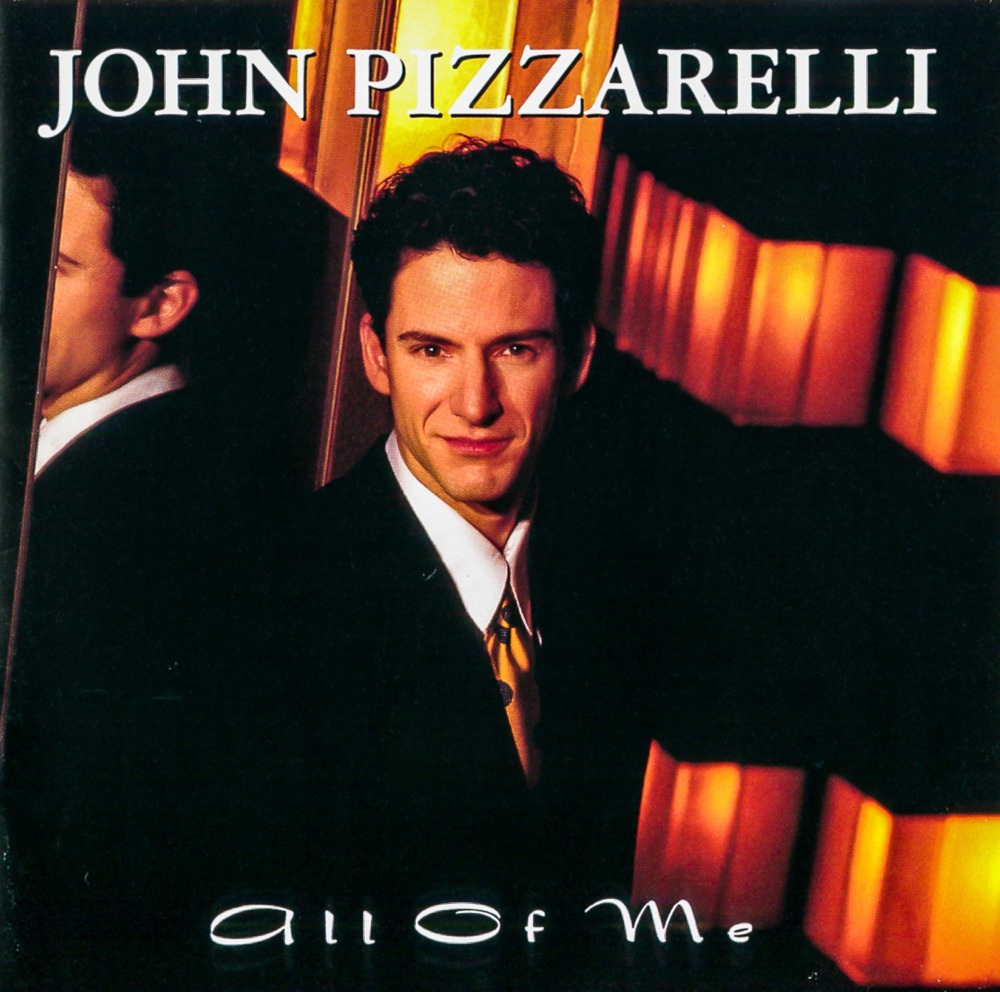
John Pizzarelli's rendition of "All of Me" isn't just a simple love song; it's a raw, almost desperate plea born from the ashes of a relationship. The song meaning hinges on the totality of surrender, a giving over of self so complete that its absence leaves the narrator utterly bereft. He's not just lamenting lost love; he's grappling with a fundamental loss of identity. The opening lines, "All of me / Why not take all of me," function as both a question and a challenge, tinged with bitterness. It’s as though the narrator, having already given so much, dares the departing lover to finish the job, to fully consume what remains. This isn't romantic devotion; it's the hollow echo of devotion turned to self-negation.
The lyrics paint a picture of utter dependence: "I'm no good without you." It's a sentiment that borders on self-deprecation, highlighting the psychological vulnerability at the song's core. The lines about relinquishing lips and arms carry a symbolic weight, suggesting a willingness to sacrifice even basic functions of self in the name of love. This isn't merely about missing someone; it's about feeling fundamentally incomplete, as if the lover's departure has amputated essential parts of the narrator's being. The repeated phrase, "So why not take all of me," serves as a haunting refrain, underscoring the depth of this self-sacrifice and the resulting void.
Beneath the surface of heartbreak, "All of Me" explores themes of codependency and the dangers of losing oneself in another person. The lines, "You took my kisses and all my love / You taught me how to care," reveal the extent of the lover's influence, suggesting a complete re-shaping of the narrator's emotional landscape. The question "Am I to be just remnant of a one side love affair" is quietly devastating, acknowledging the profound imbalance of the relationship. In the final verses, the narrator acknowledges the totality of his giving: "All you took / I gladly gave / There is nothing left for me to save." This is not a boast of generosity, but rather a stark admission of emotional bankruptcy, a chilling testament to the potentially destructive power of love when it eclipses self-preservation.
 View Artist