Song Meaning
The lyrics paint a picture of paranoia and surveillance, setting a scene where even casual interactions feel suspect. A "dealer" isn't just pushing product, but is scrutinized for his "shine of his shoes," a detail that immediately suggests a hidden agenda, possibly law enforcement. This creates an atmosphere where everyone is under a microscope, and the narrator feels trapped in a system of constant observation and judgment.
The central tension arises from the narrator's confusion and helplessness in this environment. The repeated question, "What I'm supposed to do?" underscores a feeling of being lost and without direction amidst the pervasive suspicion. The narrator seems to be observing others, specifically "you two," but notes that "it's not for sale," implying a refusal to participate in or be bought by whatever is happening, further isolating them.
The most striking element is the stark contrast between the mundane imagery and the implied sinister undertones. A "dealer" is framed not as a criminal, but as an agent of the state, "working for the F.B.I." This subversion of expectations, coupled with the image of a cop "on every corner" with an "axe to grind," amplifies the sense of unease. The lyrics suggest a society where dissent or non-conformity, represented by "guitar playing, grass smoking, long hair," is actively sought out and targeted for "promotion" – a chilling euphemism for suppression or arrest.
These lyrics hit hard because they tap into a primal fear of being watched and misunderstood. The repetitive refrain of "Strange days, strange ways" acts as a mantra for this disorienting reality. The writing effectively uses ambiguity and sharp, telling details to build a world that feels both specific and unsettlingly familiar, leaving the listener with a lingering sense of anxiety about the hidden forces at play in everyday life.
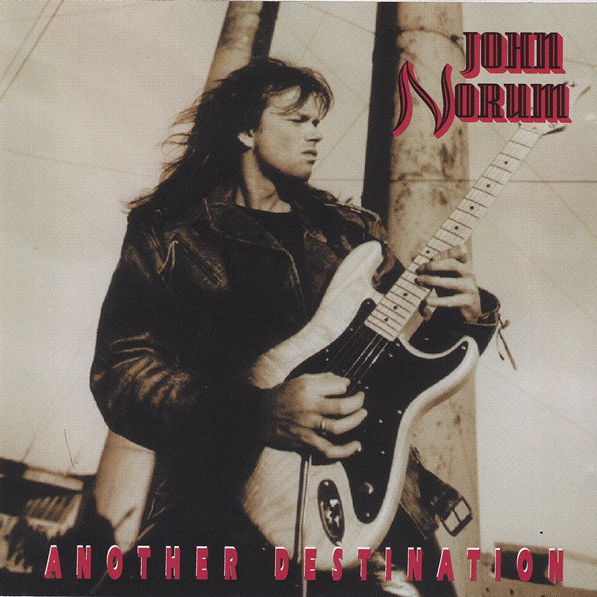
 View Artist