Song Meaning
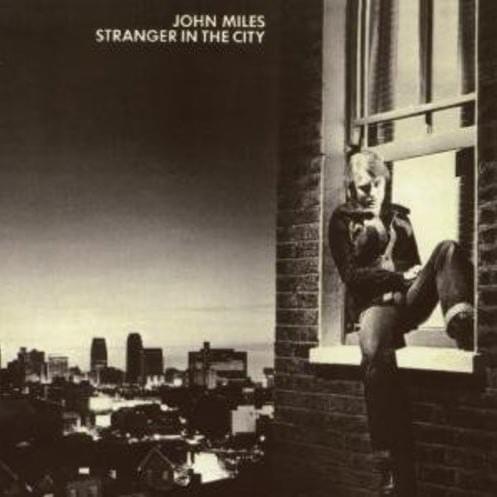
John Miles's "Stranger in the City" paints a stark picture of urban alienation, dissecting the psychological toll of isolation within a bustling metropolis. The lyrics depict a protagonist swallowed whole by the city's indifference, a sentiment amplified by the repeated plea for understanding and assistance. The song meaning isn't just about physical displacement; it’s about the shattering of naive expectations against the hard reality of city life. The opening lines immediately establish a sense of vulnerability, with the narrator feeling besieged by towering buildings, starved, and desperate for a lifeline. This vulnerability is compounded by the fear of rejection, evident in the repeated questioning: "If I cry for help, would you hear my call?" and "If I stumble now, would you let me fall?" These lines highlight a deep-seated anxiety about being abandoned in a moment of need. The narrator's plea is not just for physical help but for basic human connection.
The second verse intensifies the feeling of anonymity and dehumanization. The city becomes a "human traffic jam" where people are indifferent to the narrator's plight. The shift towards darker imagery – "If I ask for death, would you give me a gun?" – underscores the depth of despair and the feeling of being trapped. The bridge reveals the source of the protagonist's disillusionment: a romanticized vision of the city as a land of opportunity. The phrase "streets were paved with gold" represents the false promises and exaggerated stories that lure people to urban centers, only to find themselves struggling and alone. The collapse of this dream is particularly poignant, as the narrator laments the loss of money and the absence of friends. This exposes a core psychological wound: the betrayal of expectations and the disintegration of social support networks.
The final verse contrasts the artificiality of the "concrete jungle" with the natural world, emphasizing the loss of connection to nature and a sense of belonging. The absence of "birds and bees" and the disappearance of trees symbolize the emotional and spiritual barrenness of the urban environment. The repeated refrain, "I'm a stranger in the city," reinforces the central theme of alienation. However, within that repetition lies a glimmer of hope, a continued plea for connection. The questions "If I need someone, would you help me get by?" and "If I come to you, would you give it a try?" indicate a persistent desire for human kindness, even in the face of overwhelming indifference. Ultimately, "Stranger in the City" is a powerful exploration of the psychological impact of urban isolation, the shattering of dreams, and the enduring need for human connection in an increasingly impersonal world. The lyrics analysis reveals a yearning for empathy and a desperate search for belonging in a place that feels profoundly alienating.
 View Artist