Song Meaning
This hymn opens with a profound declaration of salvation, framing it as a sweet, almost unbelievable sound that rescued the speaker from a state of wretchedness. The immediate contrast between being "lost" and "found," and "blind" and seeing, establishes the core transformation at the heart of the narrative. It’s a powerful, almost jarring shift from a state of spiritual destitution to one of clarity and belonging, all attributed to an external, divine force.
The central tension lies in the speaker's past unworthiness versus their present state of grace. The lyrics repeatedly emphasize the speaker's former condition – a "wretch," lost, blind – to highlight the magnitude of the change. This isn't a story of earned redemption, but of an unmerited gift. The fear that grace teaches and the fears it relieves point to a complex internal experience, where divine intervention both instills reverence and offers solace.
The most striking craft element is the relentless focus on "grace" itself, appearing in almost every stanza. It’s presented as an active agent: it taught, it relieved, it appeared, it brought, and it will lead. This personification of grace as the primary mover behind the speaker's salvation and ongoing journey underscores the passive role of the believer, who simply receives and believes. The imagery of "dangers, toils and snares" contrasts sharply with the safety grace provides, painting a vivid picture of a perilous existence overcome.
What makes these lyrics resonate is the raw, honest acknowledgment of past brokenness coupled with an unwavering faith in future peace. The promise of eternal joy and peace "within the veil," even after "ten thousand years," offers a vision of enduring, unending praise. The final lines suggest that the wonder of grace doesn't diminish with time but remains as fresh and vibrant as the moment of first belief, creating a sense of perpetual awe.
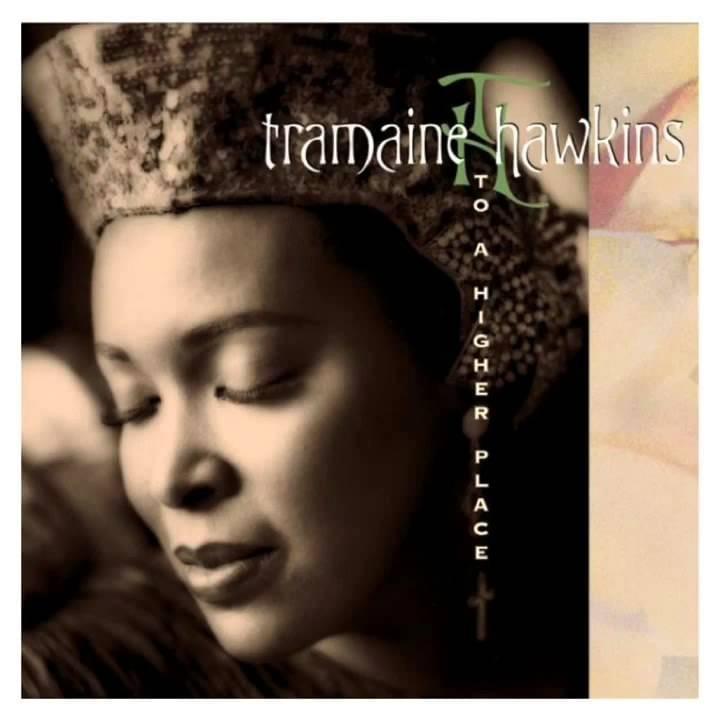
 View Artist